


Designing a Van for Real Life on the Road
Most camper vans are easy to appreciate during a showroom visit. The interior is impressive. The list of features seems exhaustive. The layout appears ingenious.
But the real test comes later.
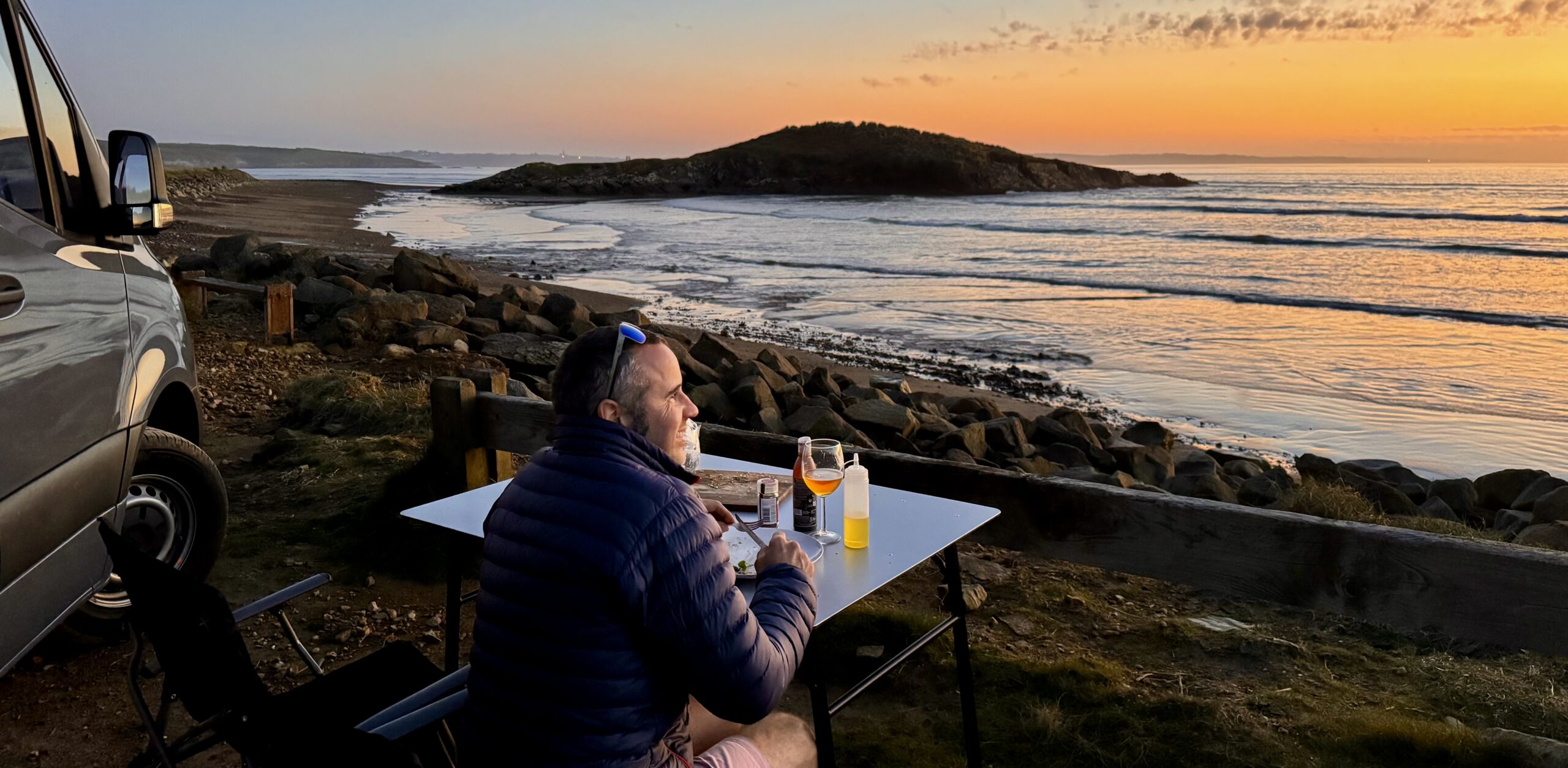
Is it possible to sleep comfortably during a Mediterranean heat wave?
Is it possible to dry ski clothes after a day in the mountains without turning your living space into a laundry room?
Is it possible to spend an entire day indoors when the weather is bad without feeling cramped?
Is it possible to cook a proper meal every night?
Is it possible to travel for a week completely independently without constantly having to look for campgrounds, electrical hookups, or water sources?
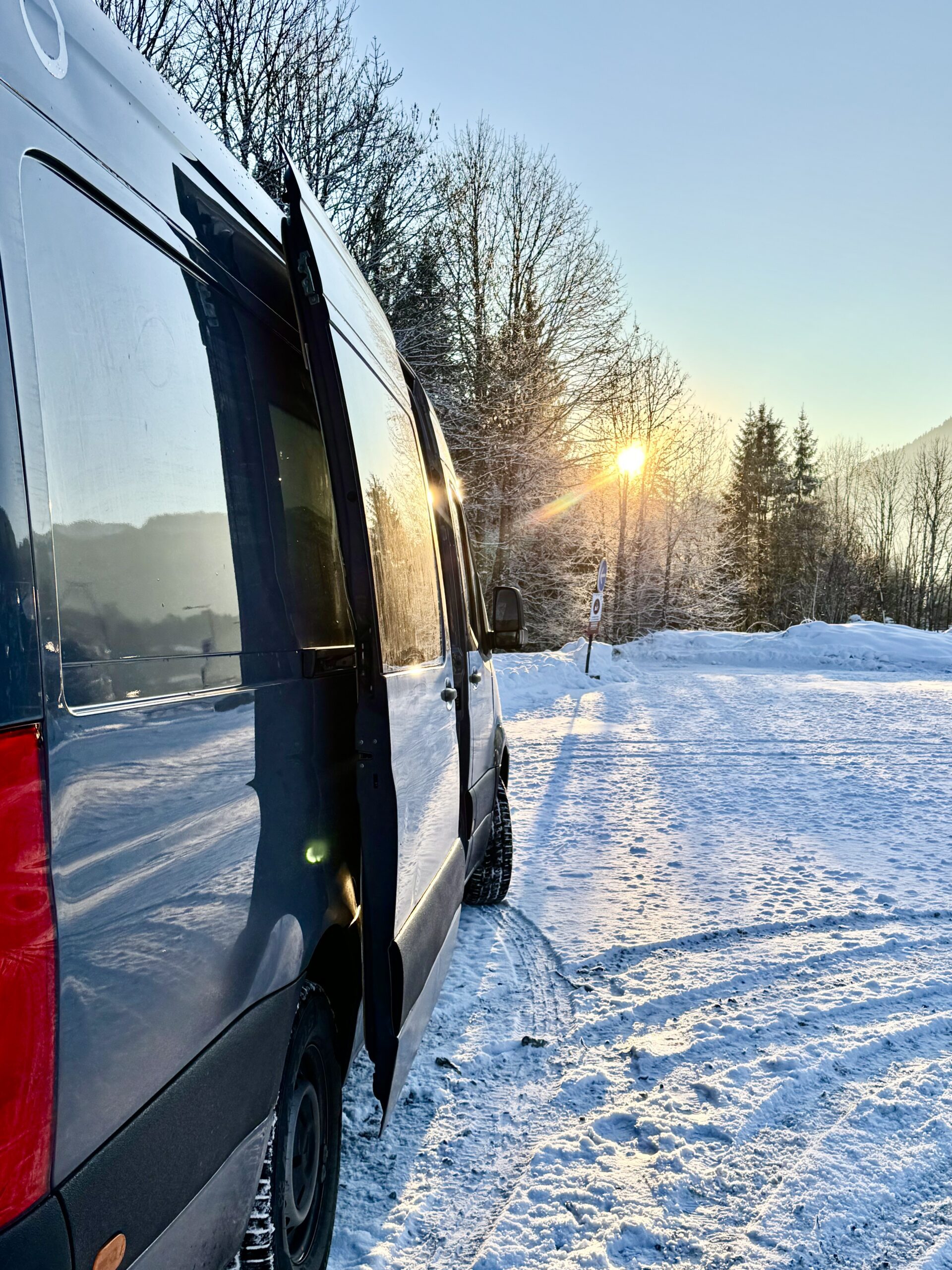
Can a van remain comfortable on a winter morning at -16°C in the Alps as well as on a summer afternoon at 40° in Spain?
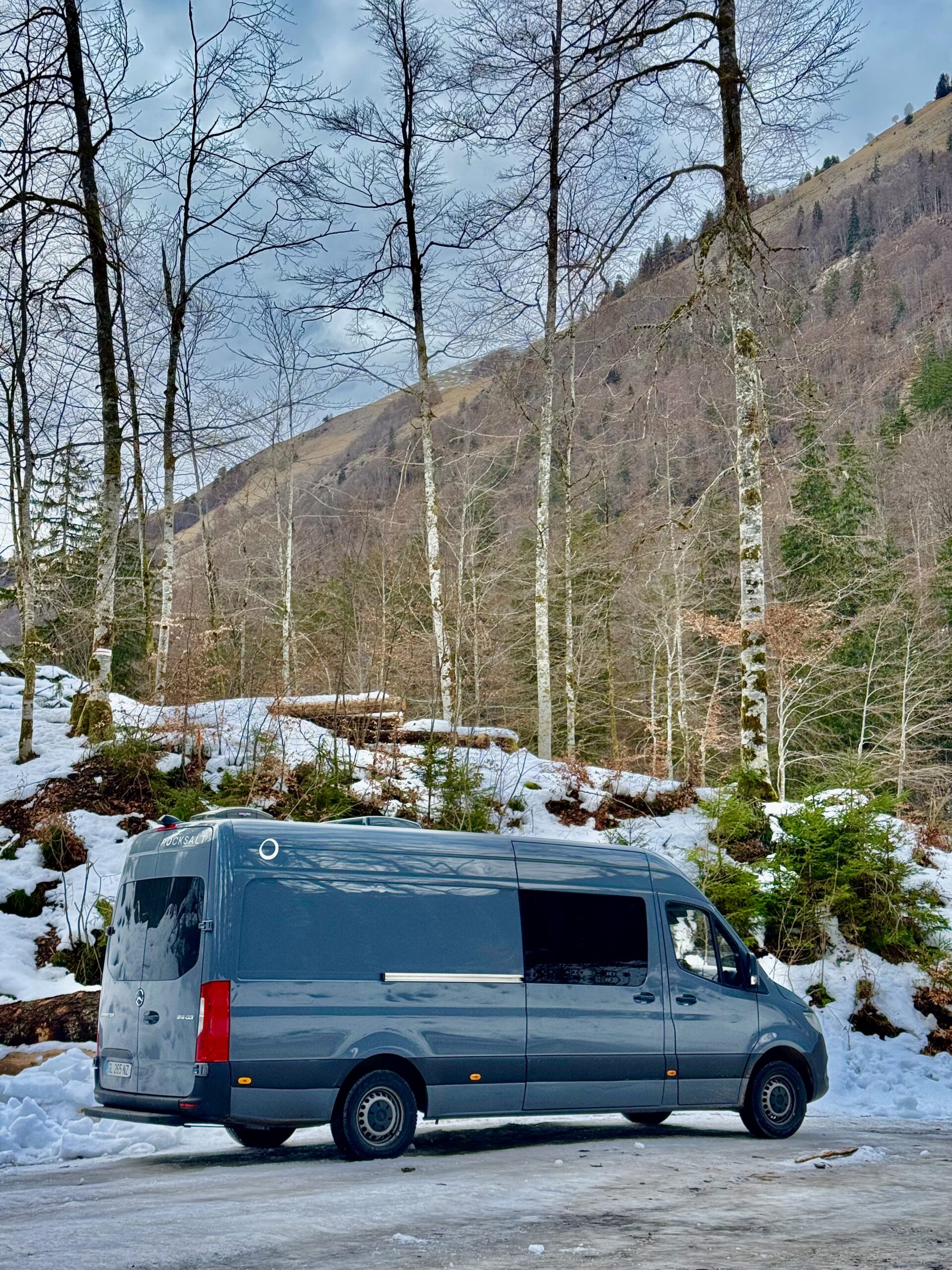
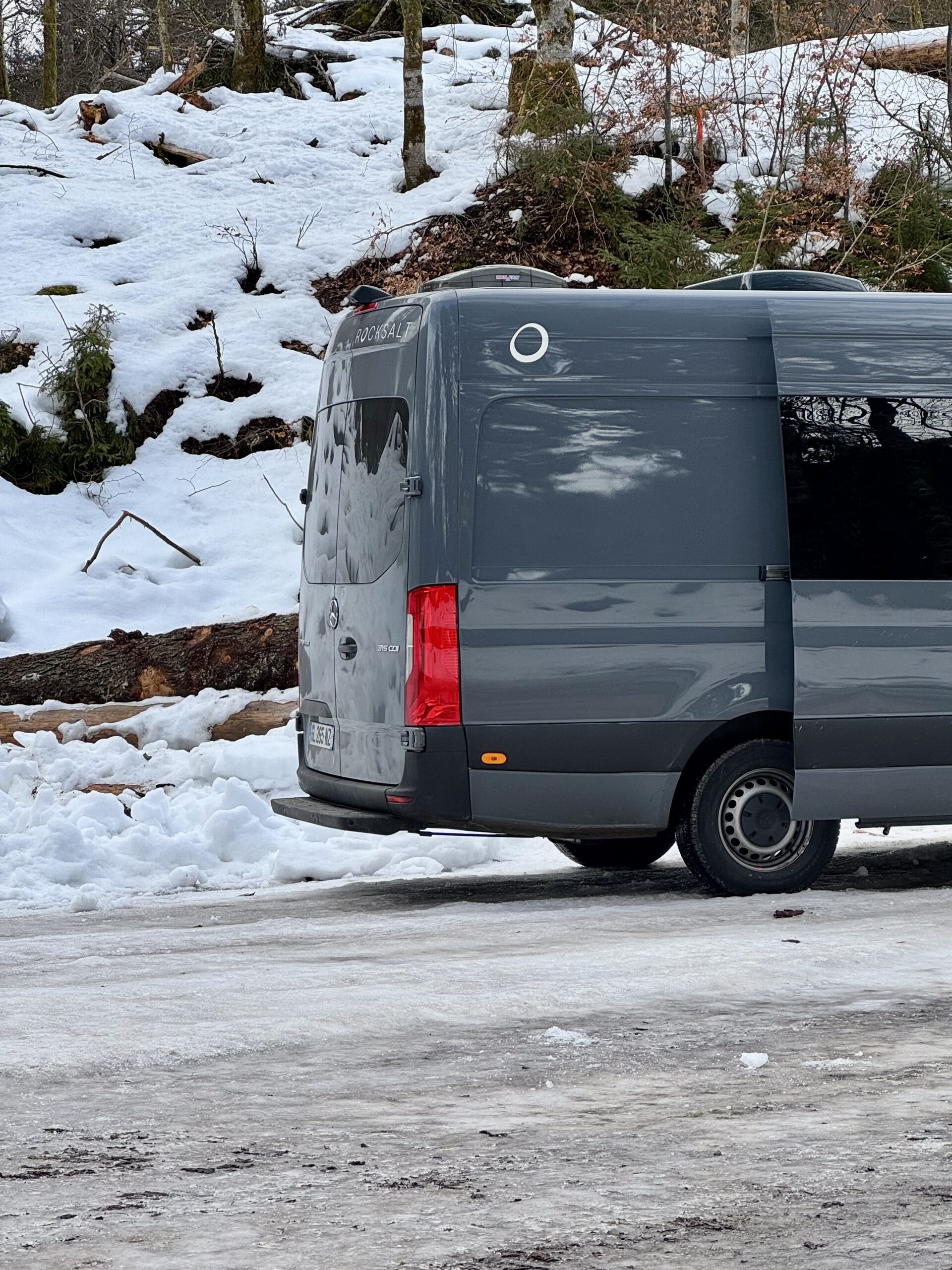
The Rocksalt demonstration van was born out of these questions.
Every major design decision is based on real-life experience traveling throughout Europe, in all seasons.
Instead of starting with a list of technical specifications, we began with the constraints and frustrations of everyday life and worked backward to find solutions.
The result is a different approach to designing a camper van.
Not just as a vehicle. But as a true, compact living space that can travel.

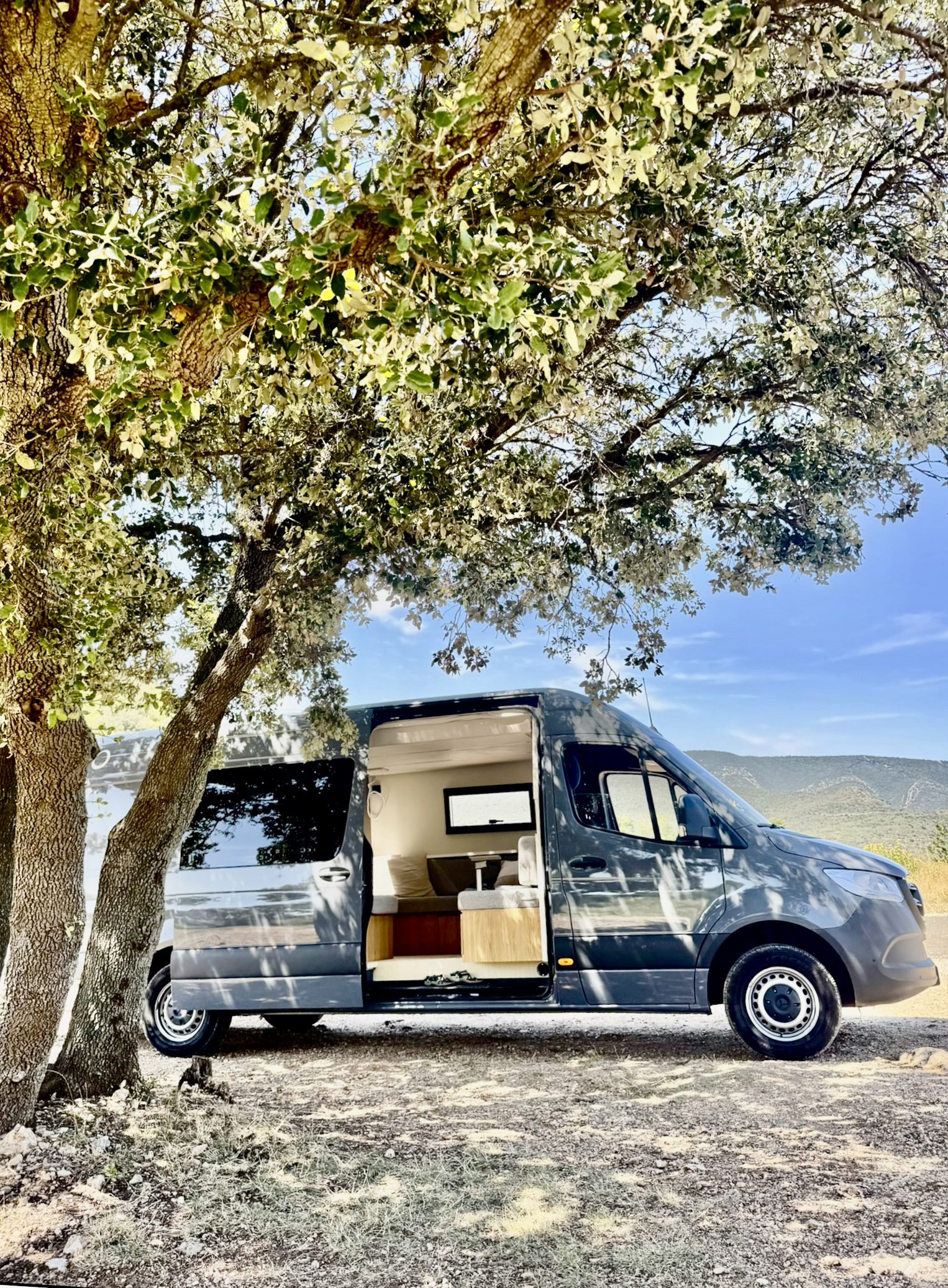

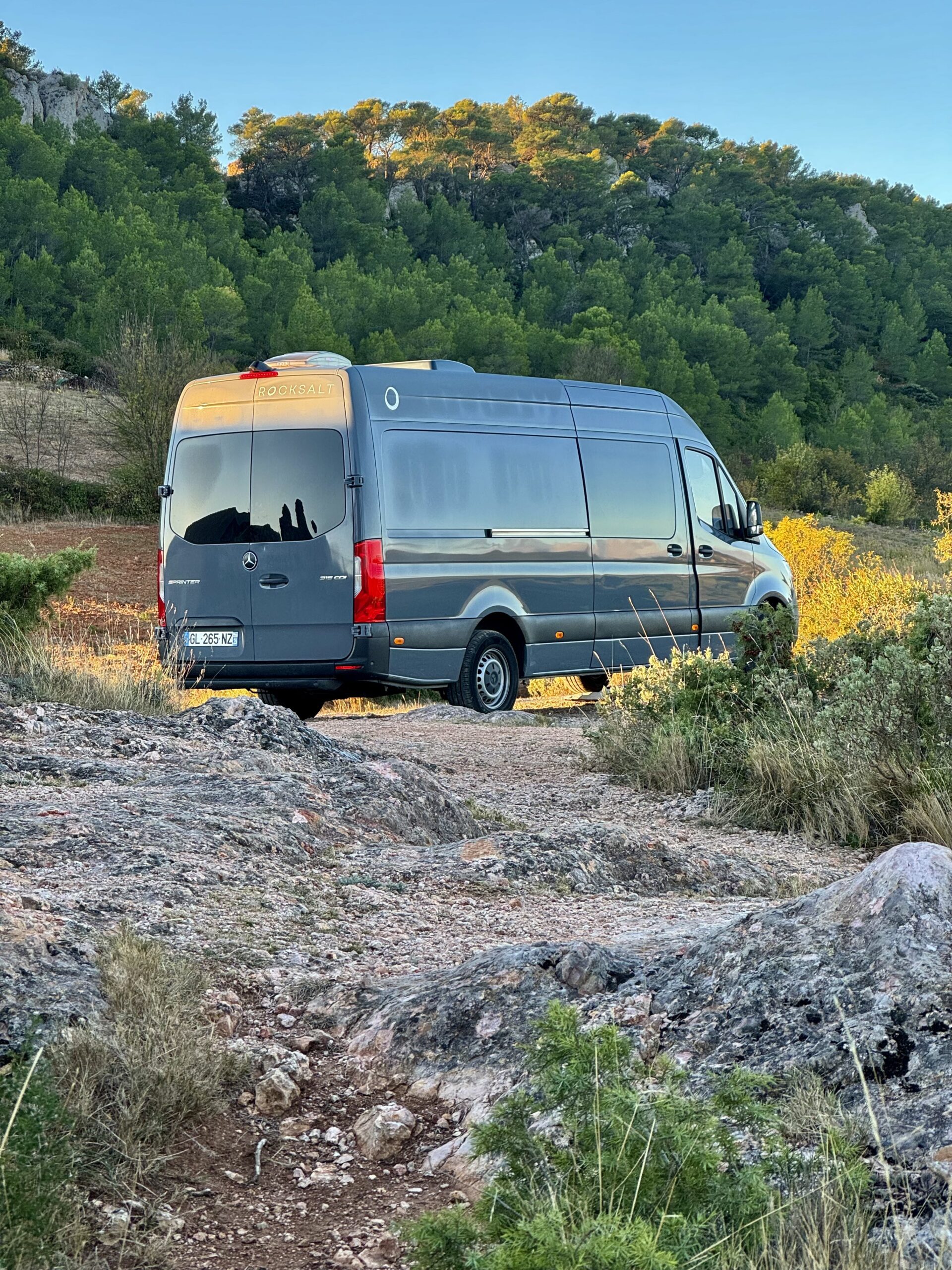
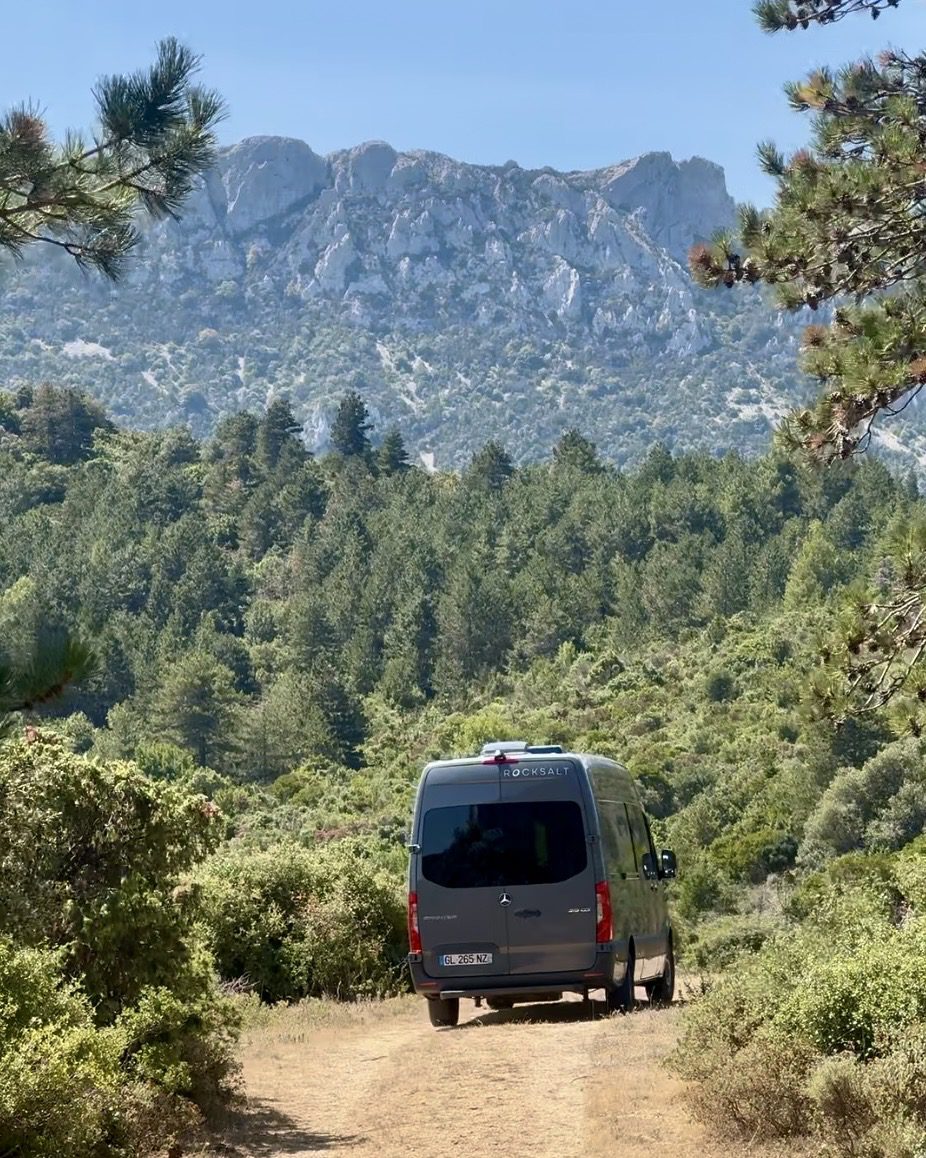
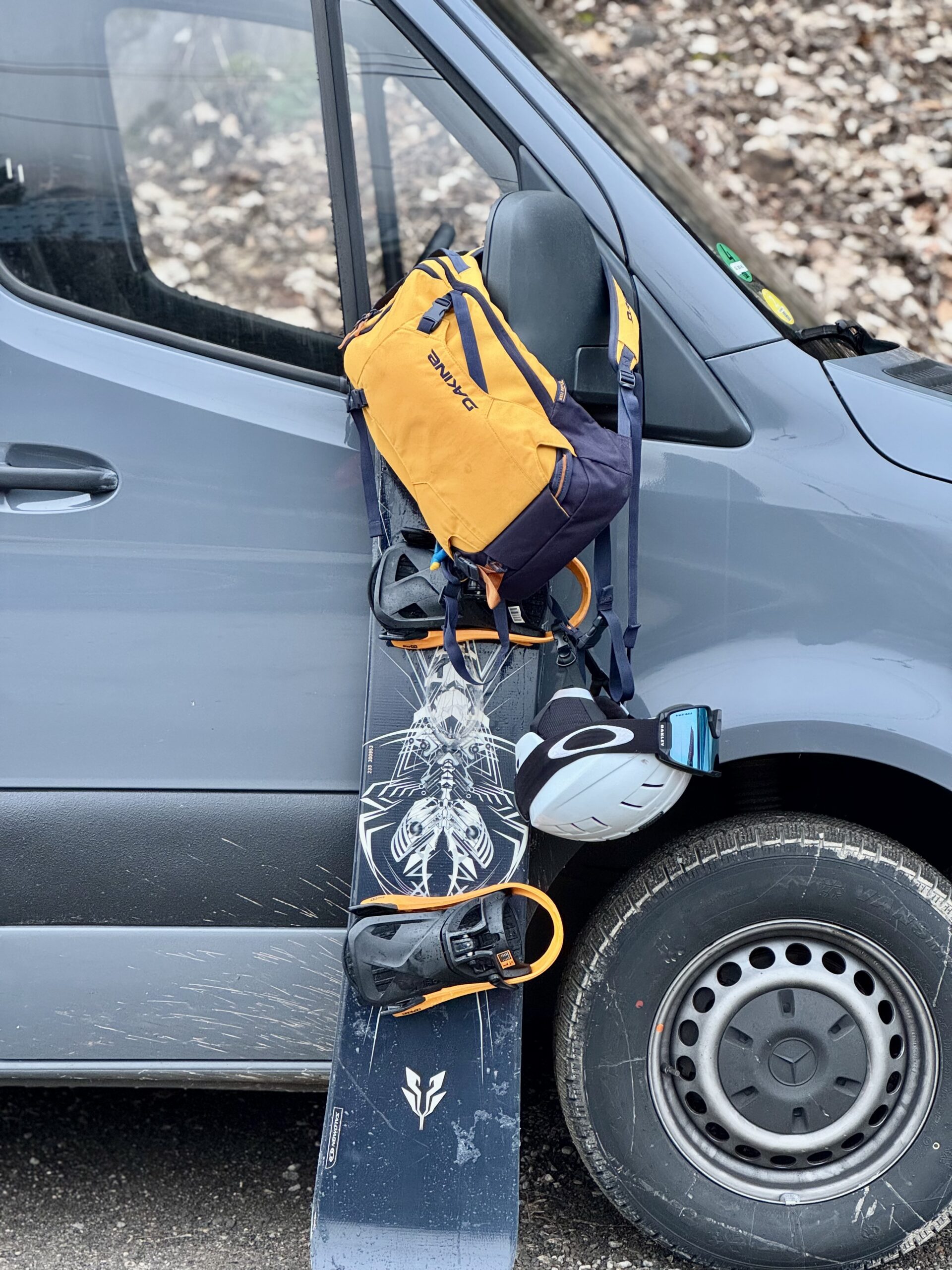
Many camper vans still give the impression of being nothing more than a converted utility vehicle.
The dashboard remains visible. The windshield dominates the interior space. The cabin is an integral part of the living space.
Over time, this subtly influences the perception of indoor comfort.
One of the first design decisions was therefore to separate the cockpit from the living quarters.
This partition enhances privacy, thermal insulation, and acoustic comfort while clearly separating the driving experience from life on board.
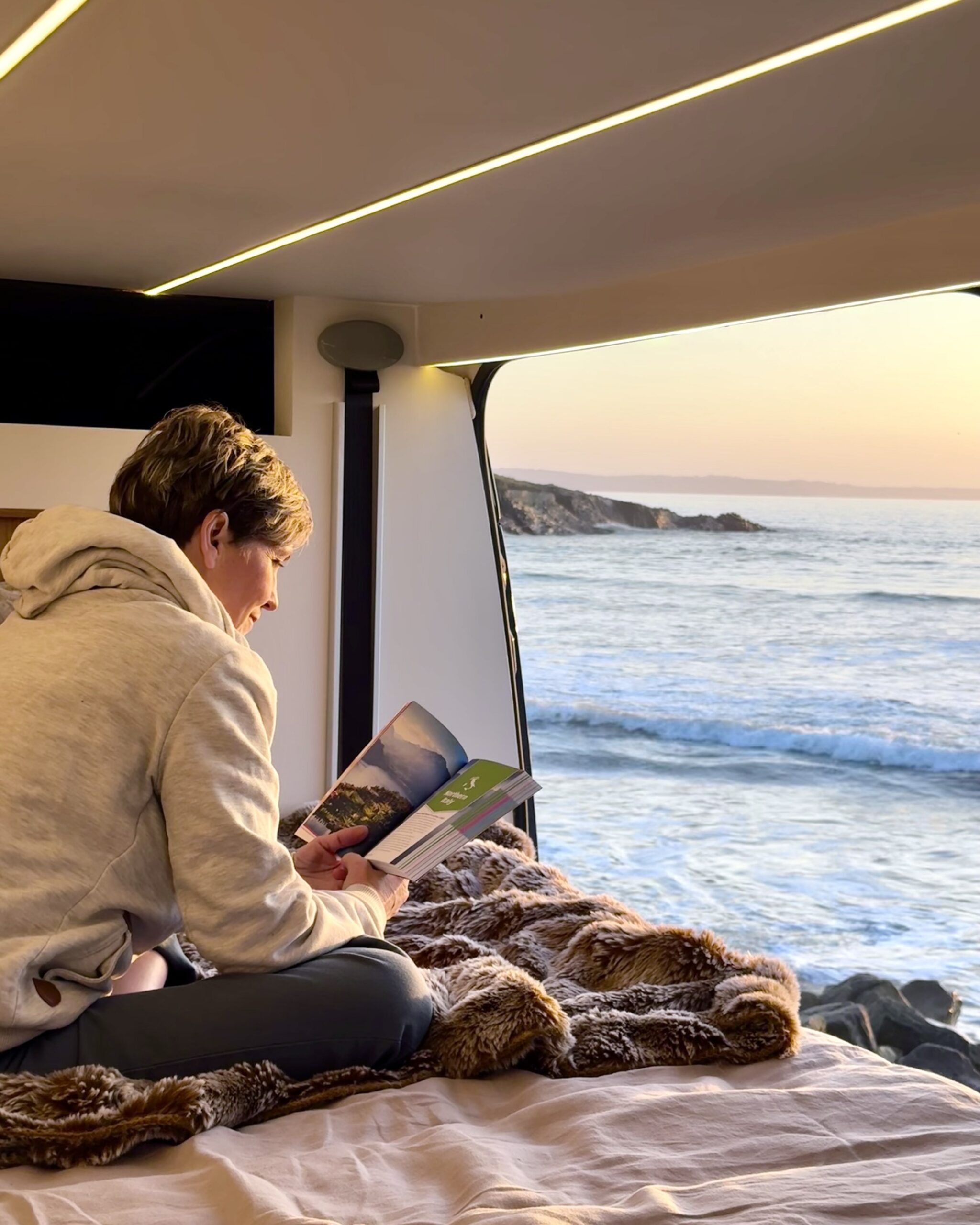
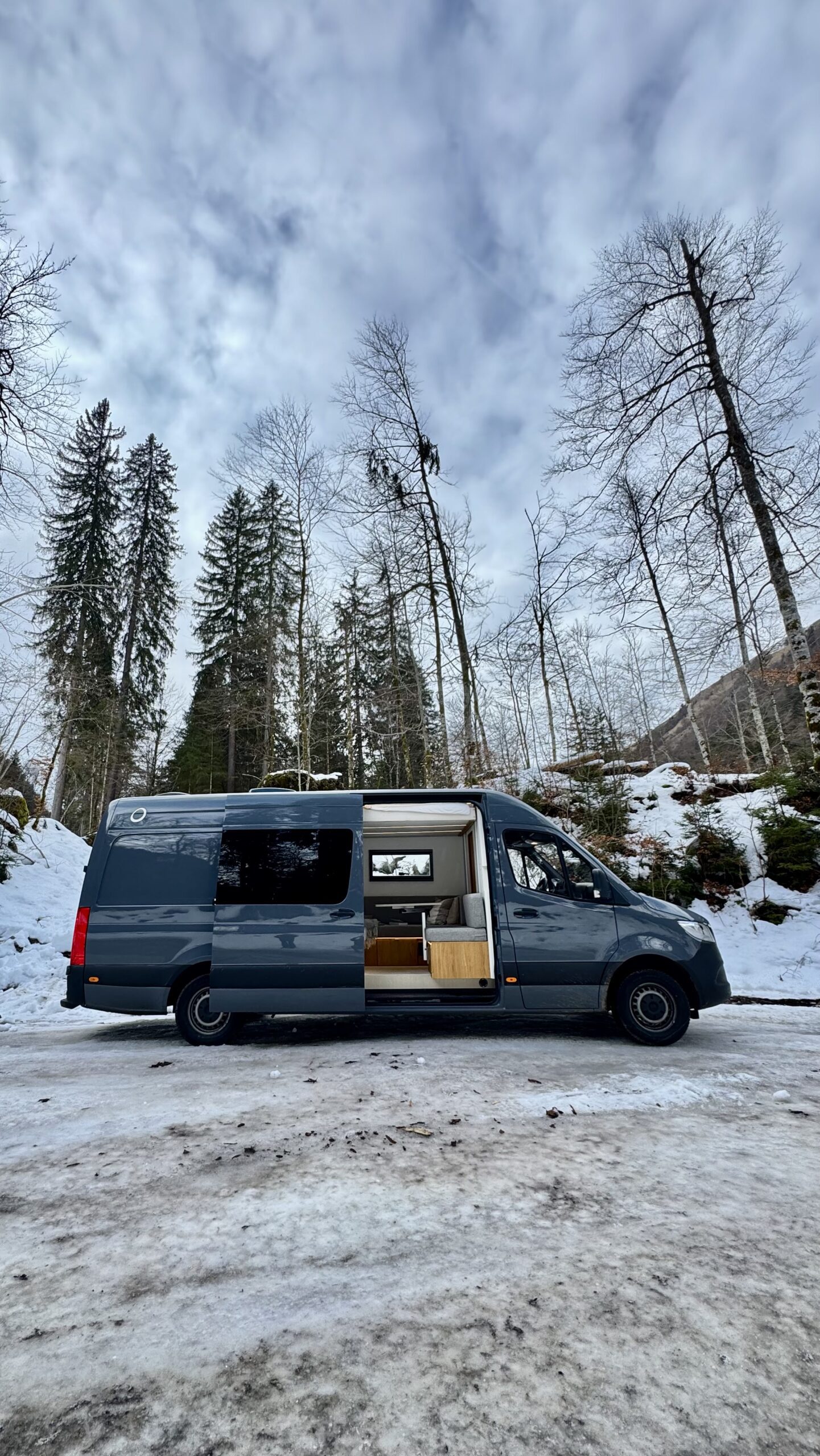
When you're sitting on the couch, reading or preparing a meal, the vehicle almost completely disappears. The rear becomes a true living space rather than an extension of the driver's compartment.
The exterior follows the same design philosophy.
Minimalist styling, window designs inspired by industry standards, and subtly tinted windows help the vehicle maintain its elegant and understated appearance. The goal has never been to draw attention. The goal is to feel at home wherever the road takes you.
See also: Why We Designed a Van That Looks Less Like a Vehicle →

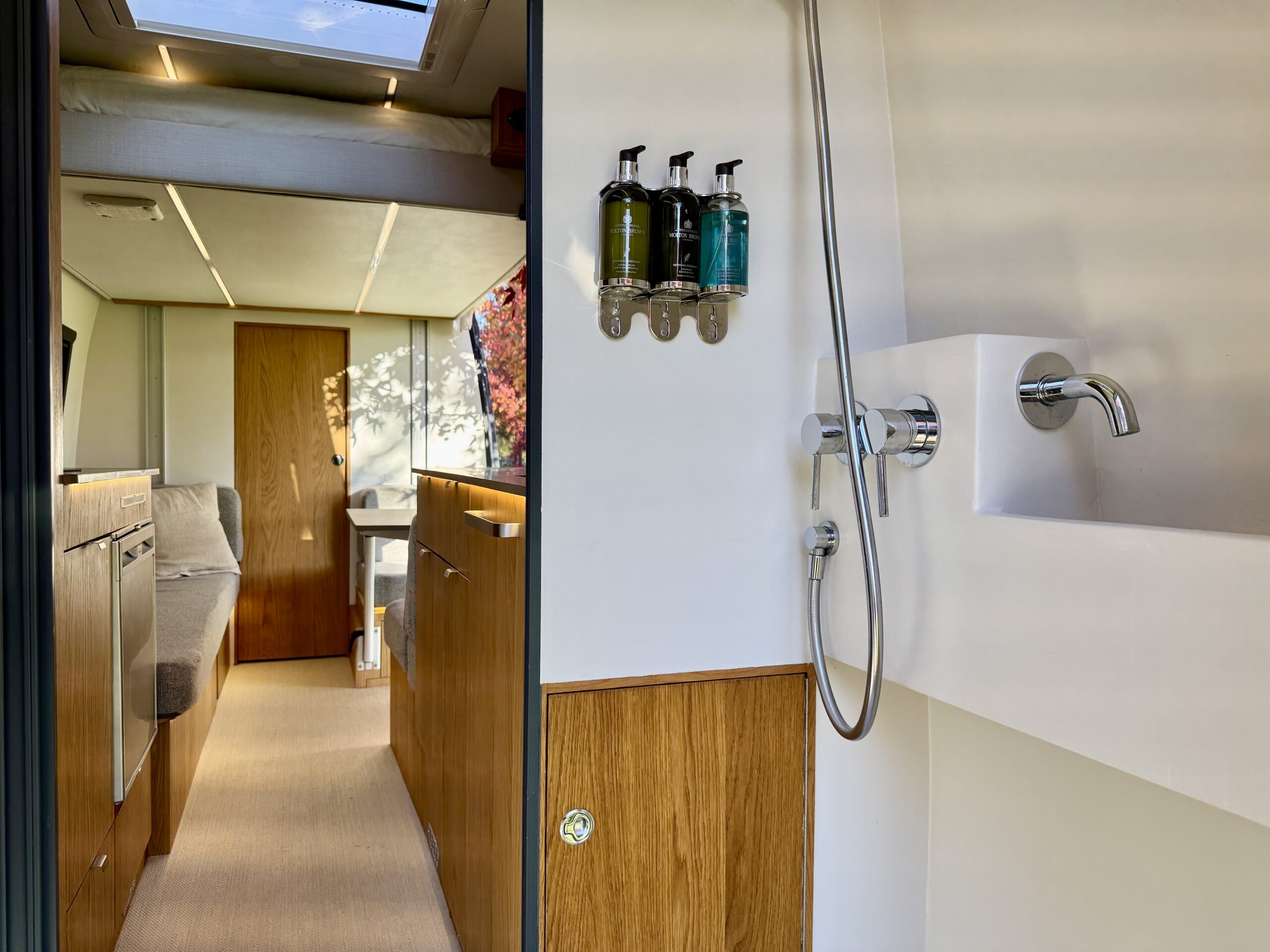
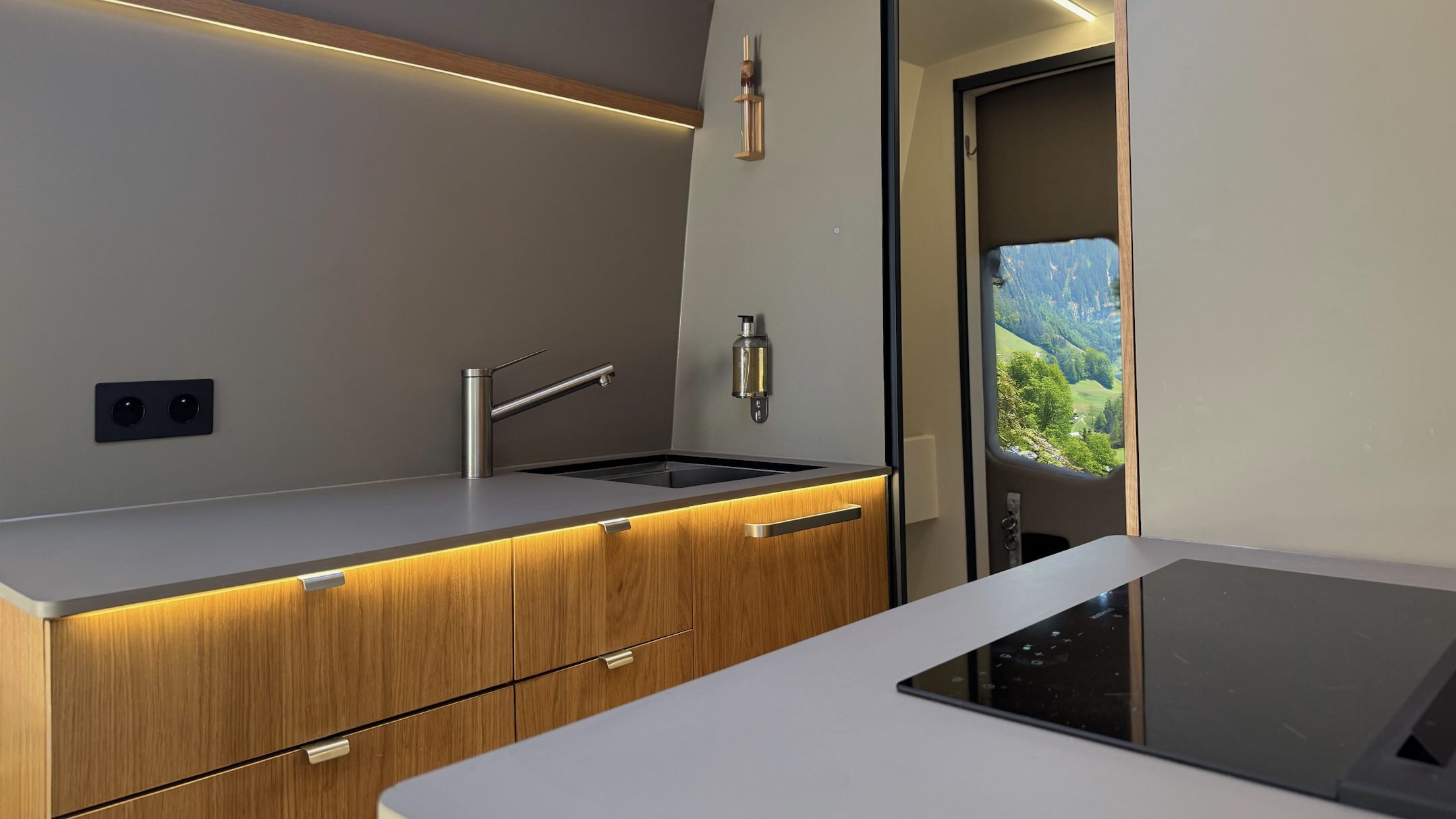

On paper, many camper vans have everything you need.
A bed. A kitchen. A bathroom. A dining area.
However, many of them quickly become a hassle on long trips.
The problem is often not the size of the vehicle. It's how the space is organized.
The Rocksalt demonstration van was designed around three principles: openness, circulation, and natural light.
The raised bed frees up more than four meters of usable floor space during the day. The living room and dining room remain accessible at all times, without any need for reconfiguration. The large windows enhance the connection with the surrounding landscape.
The goal was simple: to create an interior that feels airy.
A pleasant environment to enjoy long after the excitement of the first few kilometers has faded.
See also: Space, Light, and Psychological Comfort in a Camper Van →
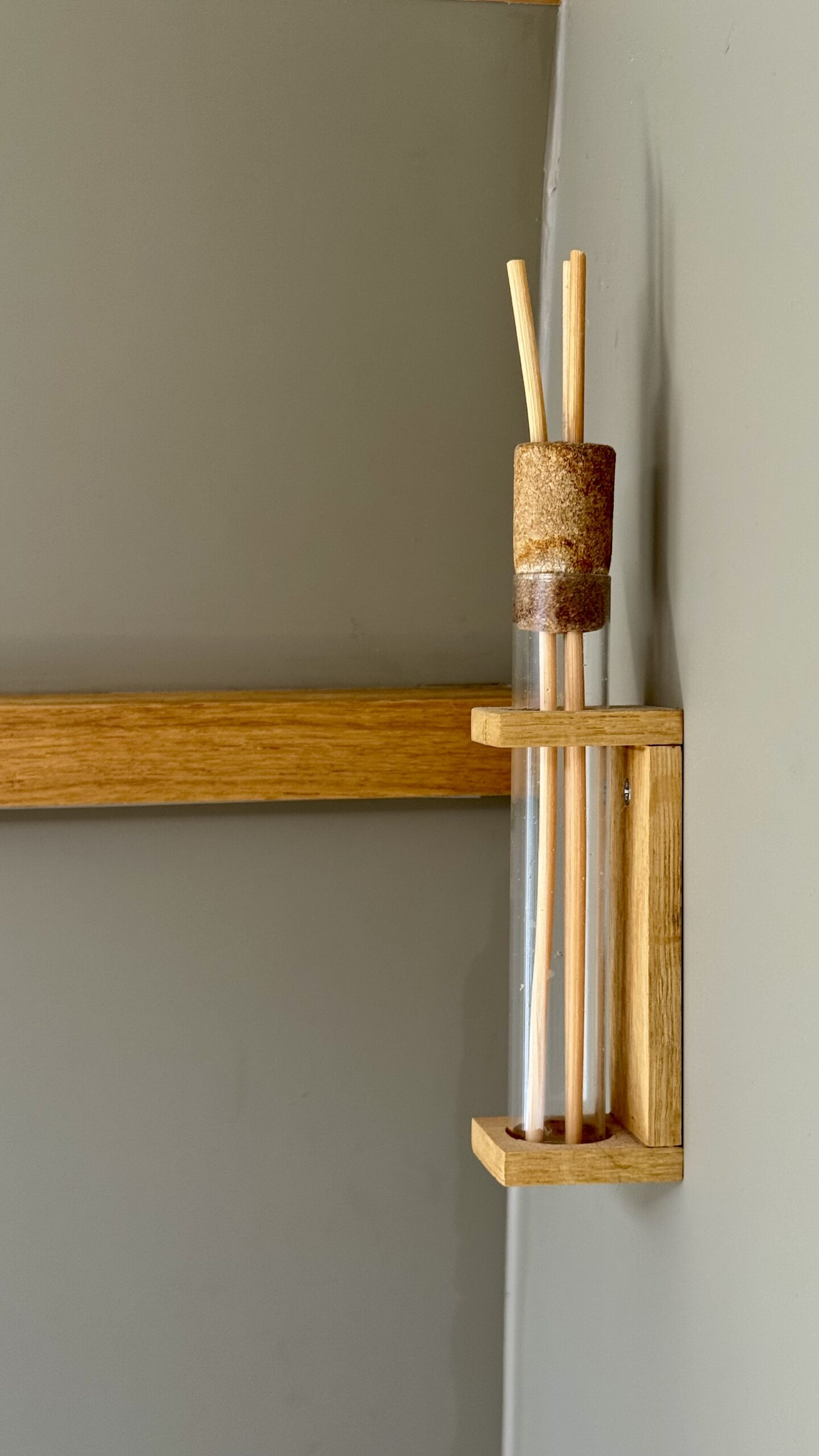

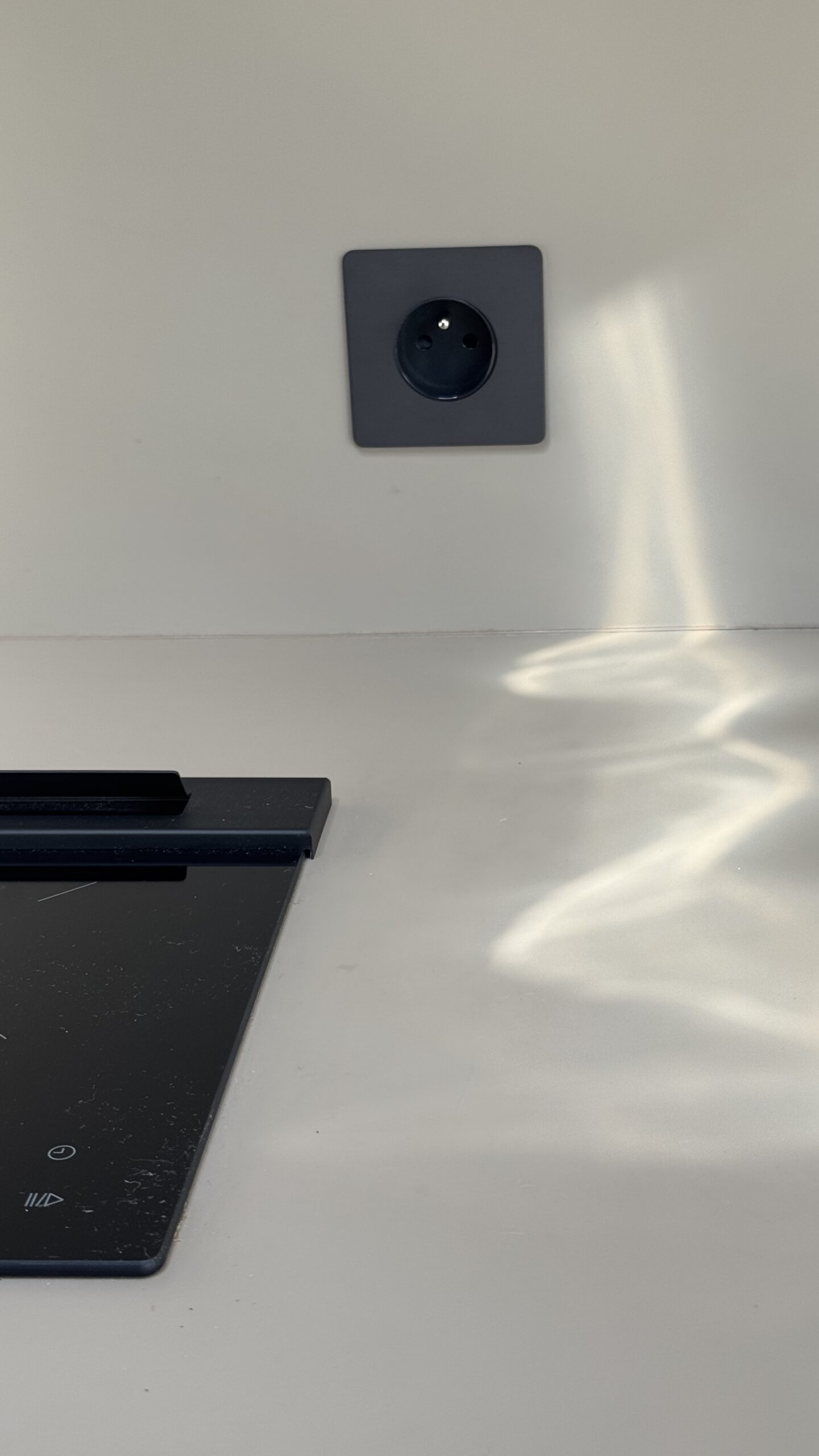
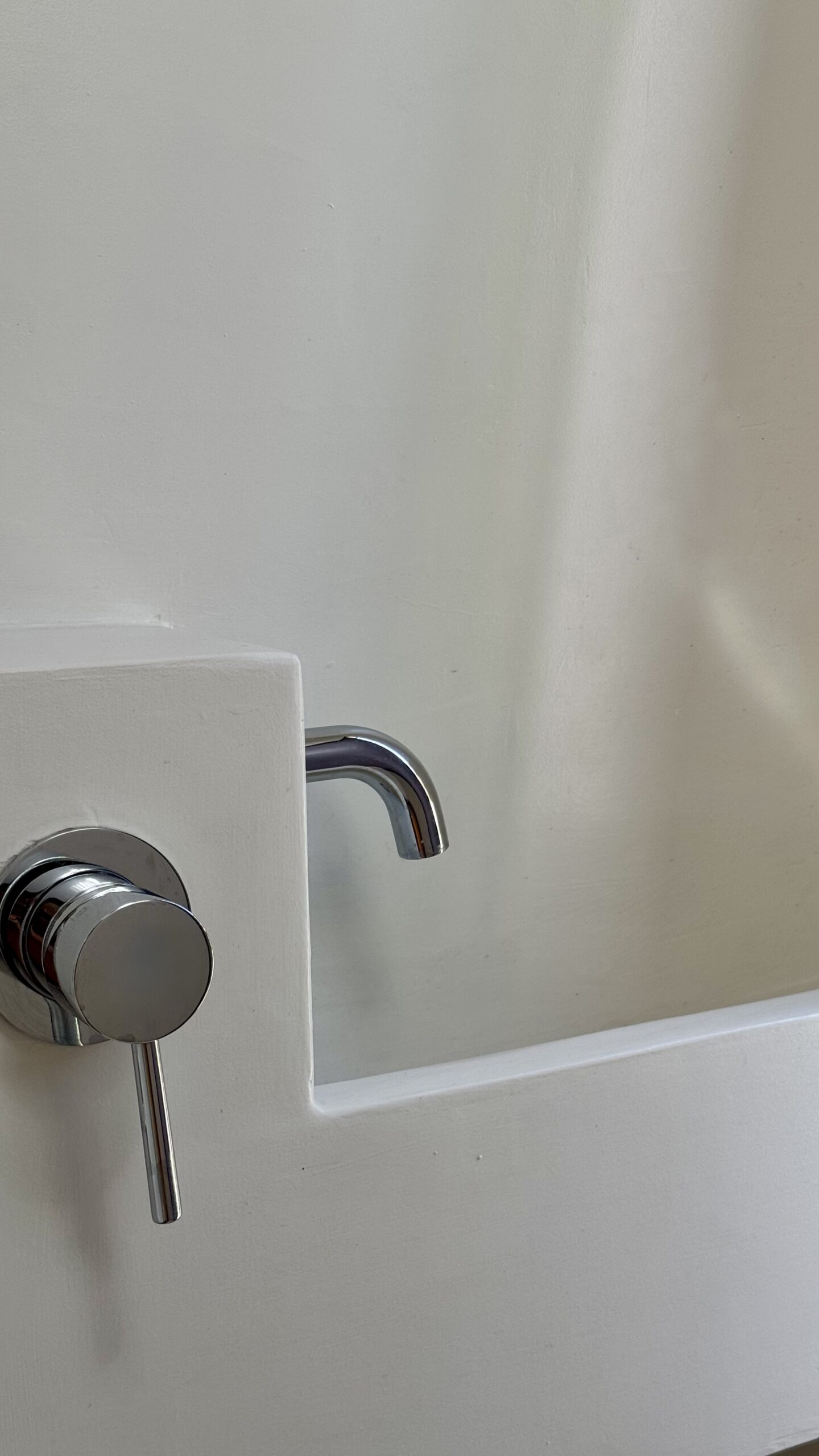

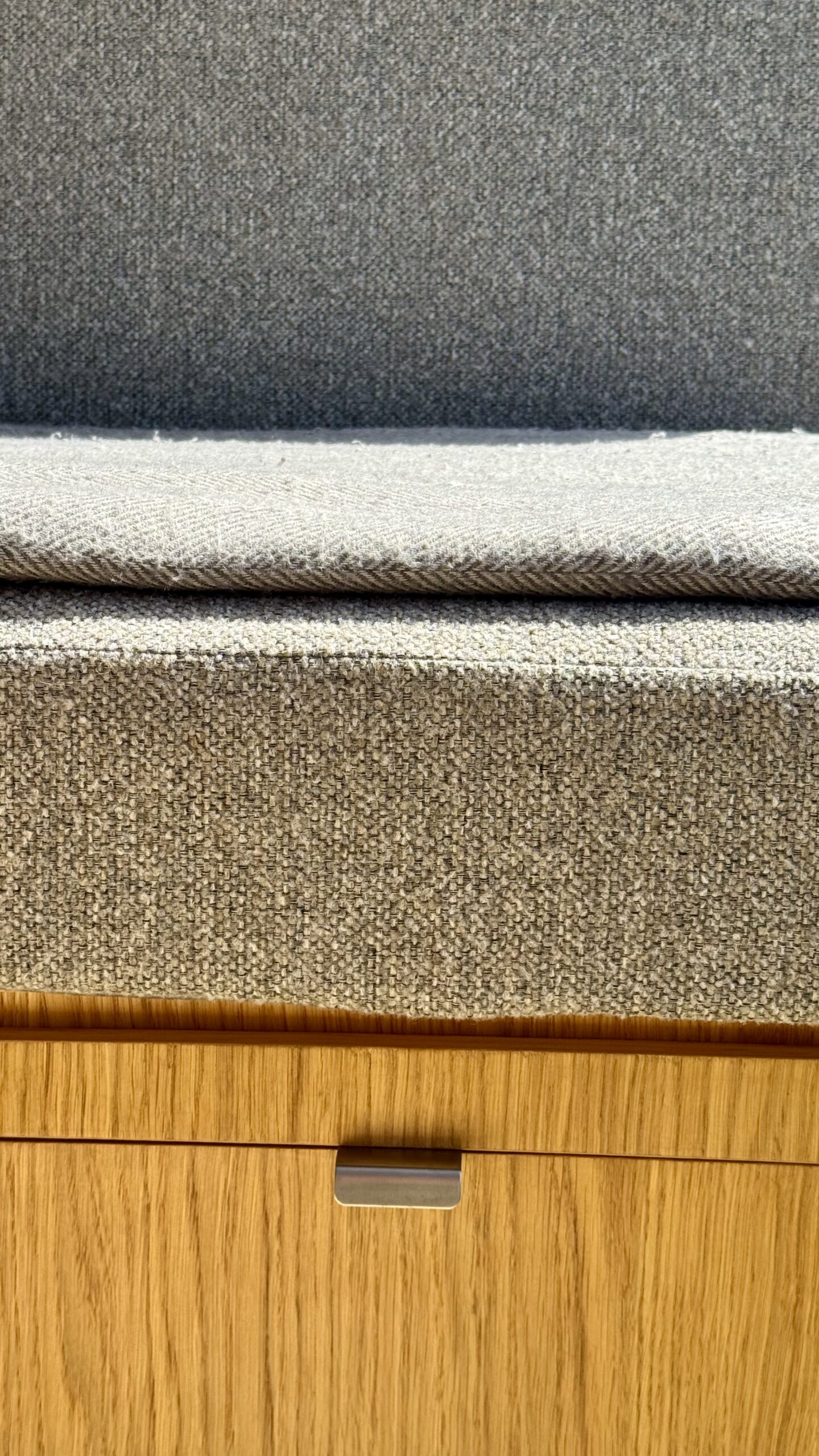
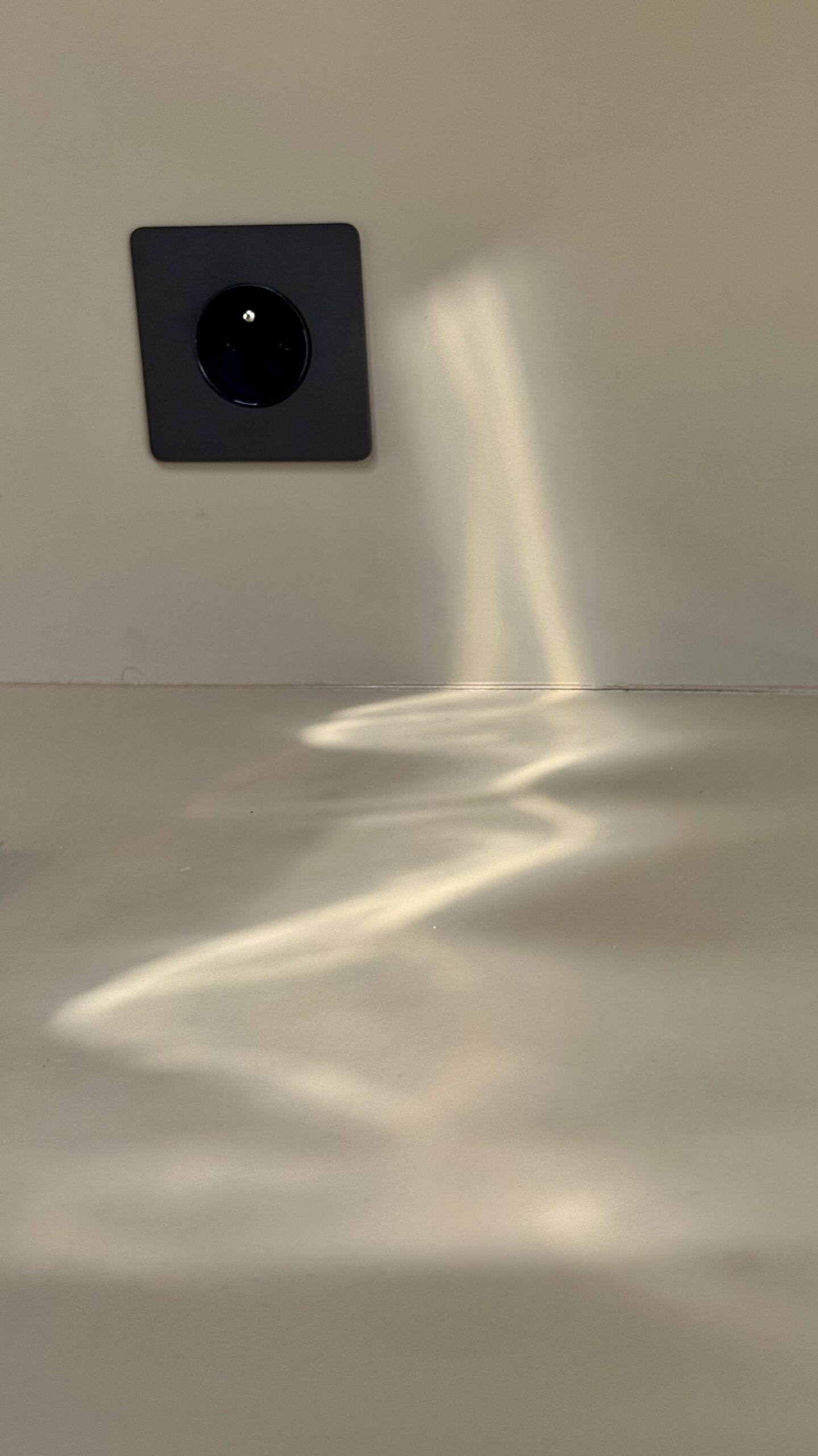

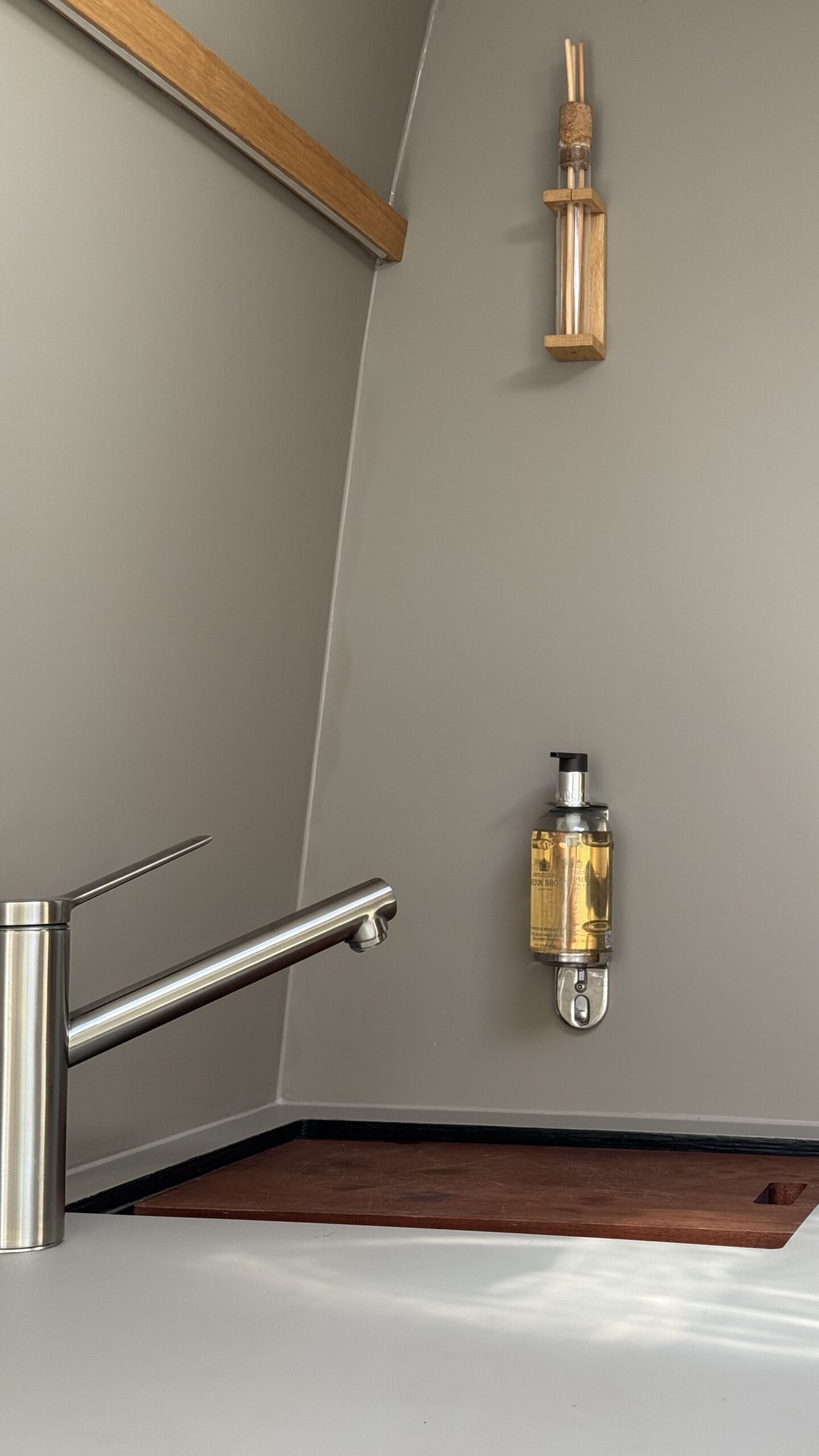

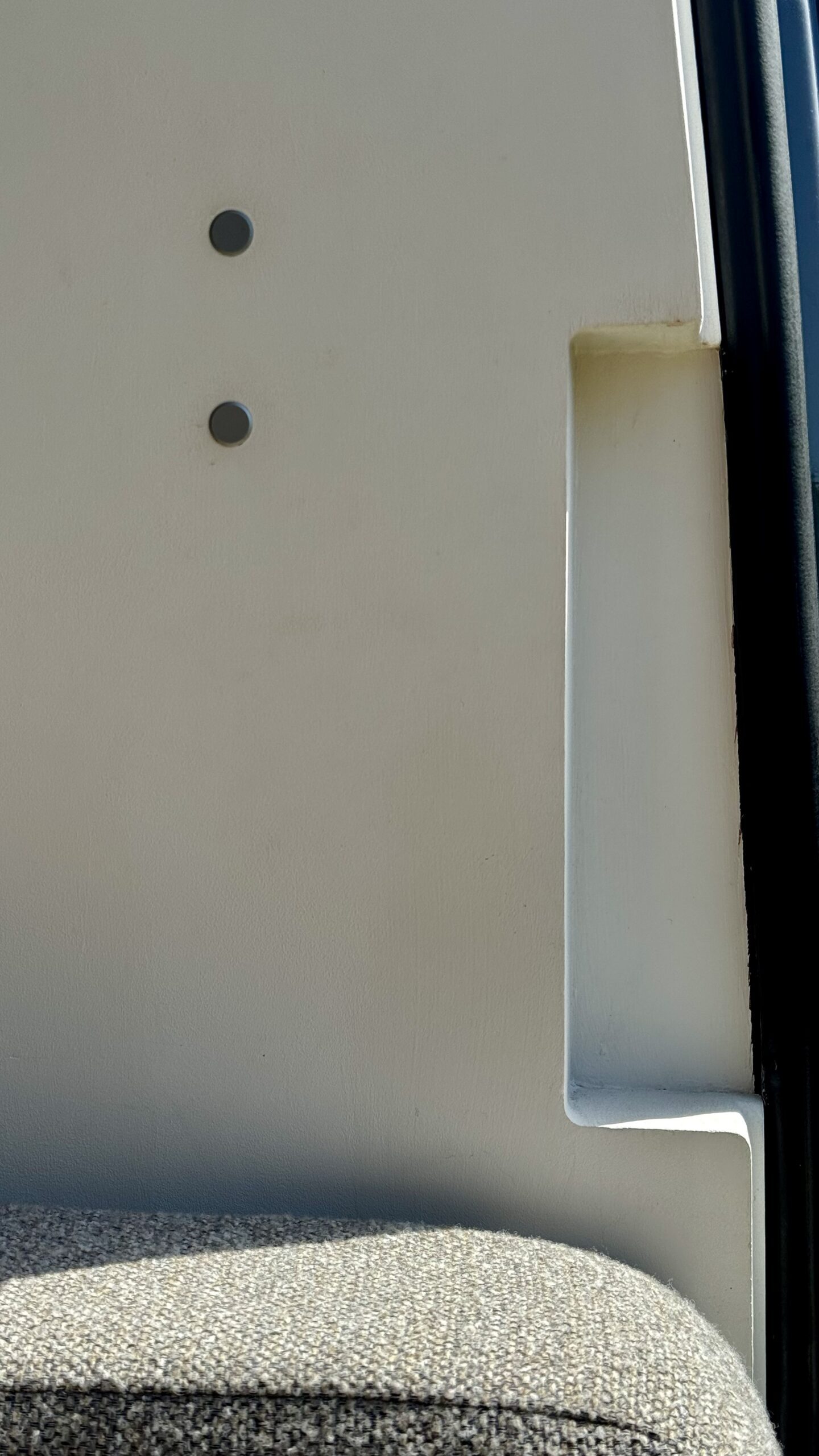
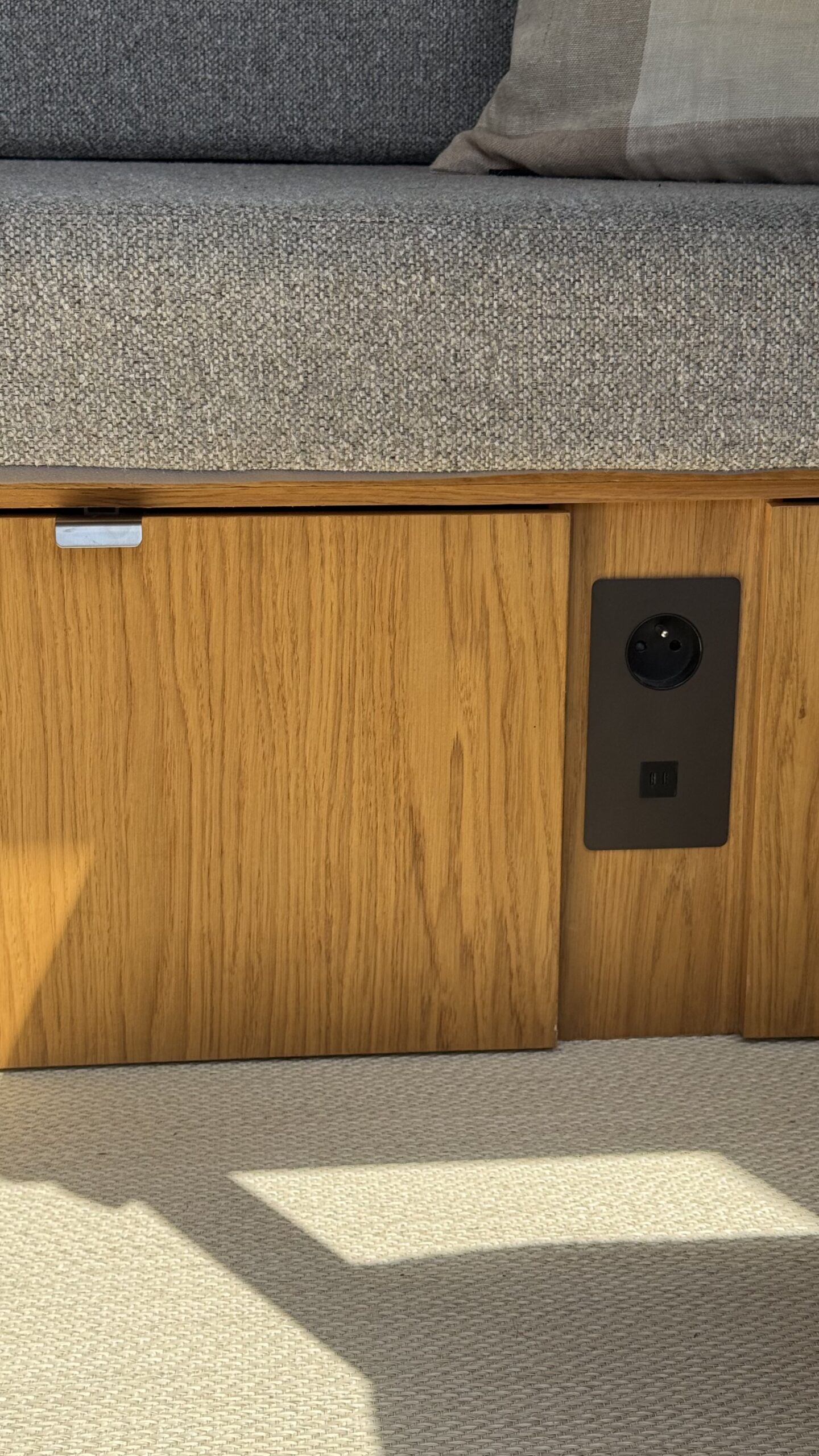
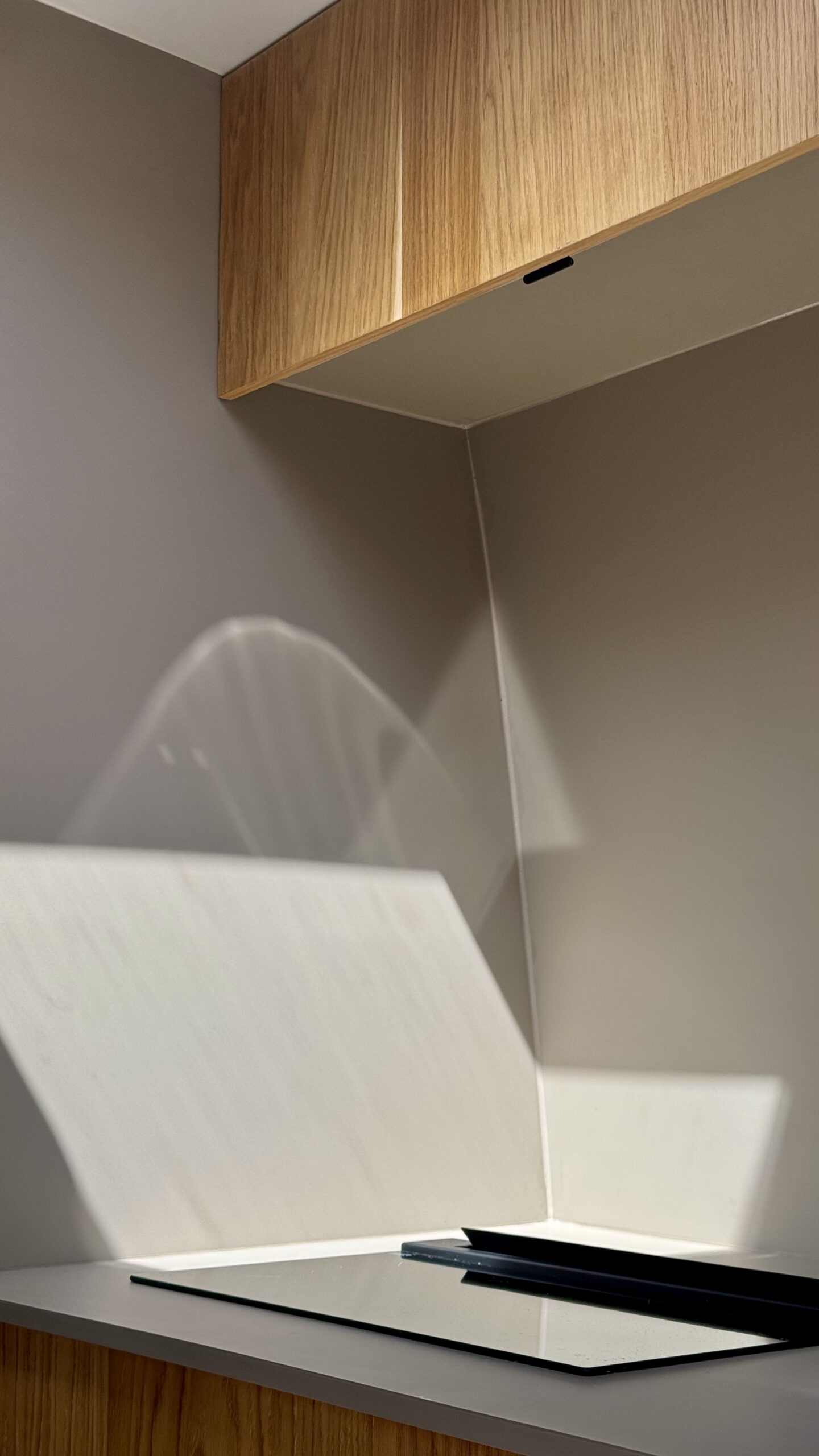
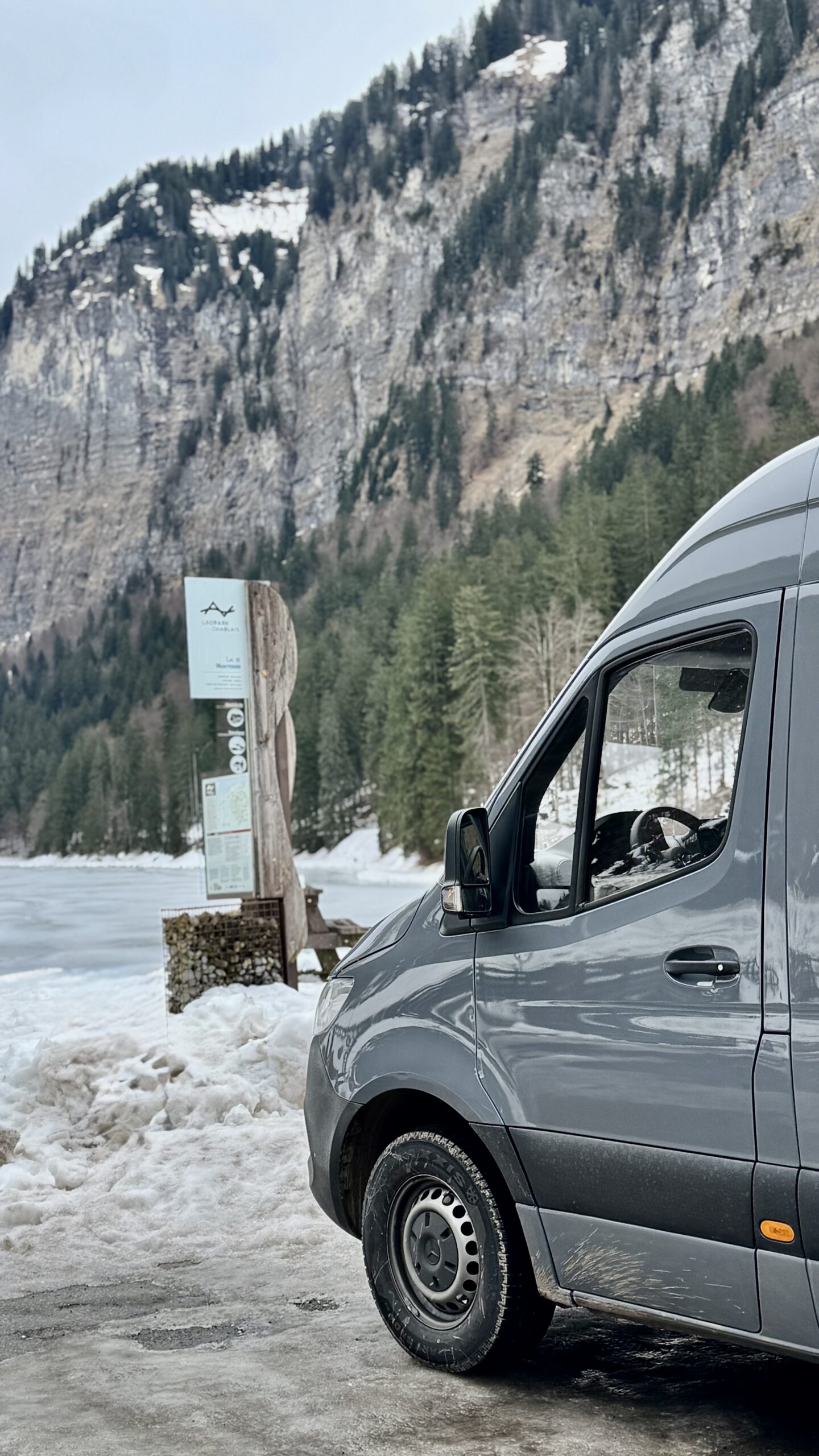
Trips never take place under perfect conditions. Some of our most memorable experiences have taken place in the middle of winter in the Alps and in the sweltering heat of the Mediterranean coast. These experiences have taught us that true comfort doesn’t depend solely on insulation.
Air circulation is essential. Condensation control is essential. Thermal separation is essential. Ventilation is essential.
The Rocksalt demonstration van was tested in conditions ranging from -16°C in Val d’Isère to over 40°C in Calella.
The lessons learned from these trips influenced every detail: the placement of windows, airflow, heating zones, and the shower design. The goal was not simply to endure the changing weather conditions, but to remain comfortable in them.
See also: Designing a Camper Van for Year-Round Travel in Europe →
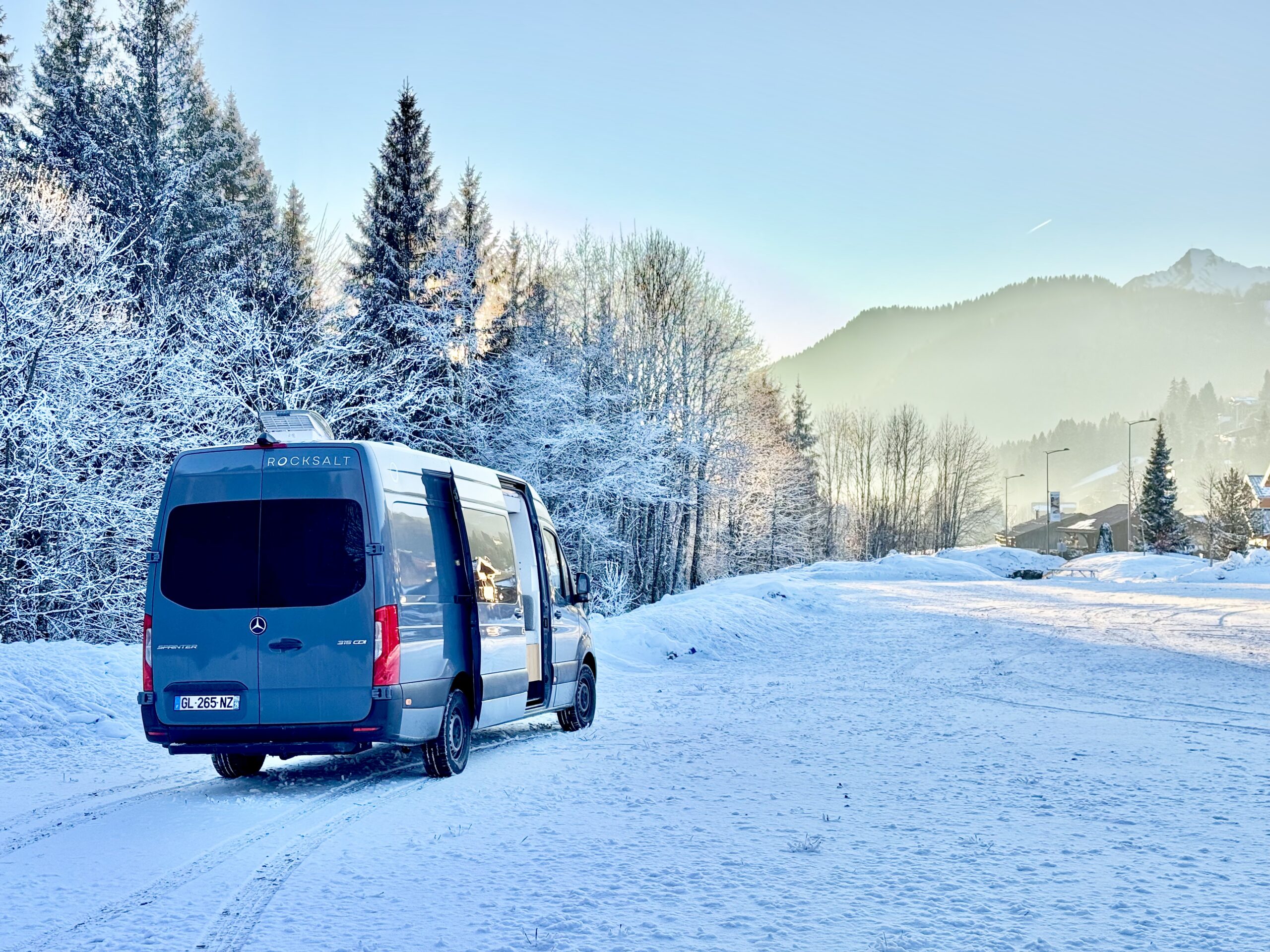

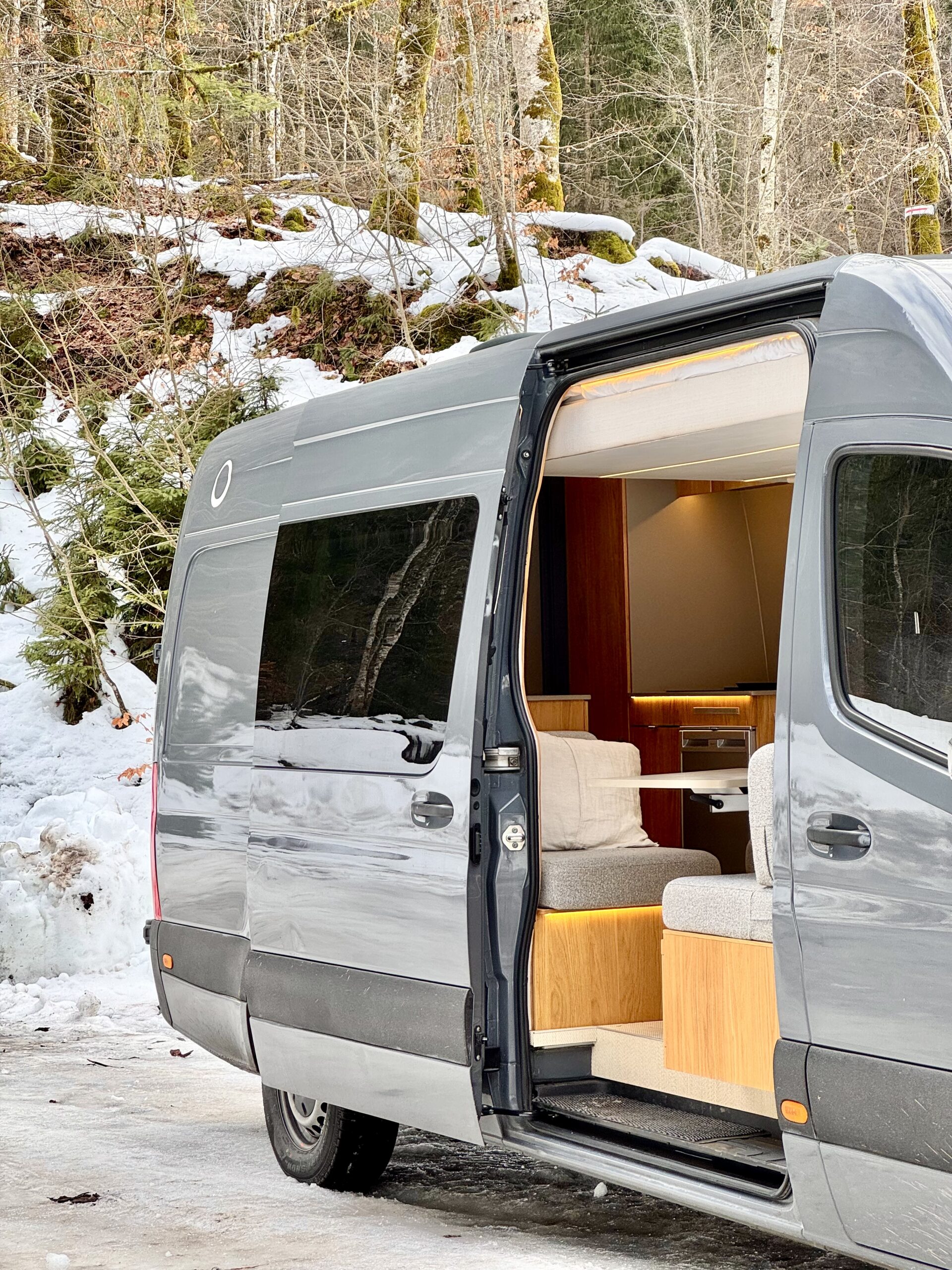


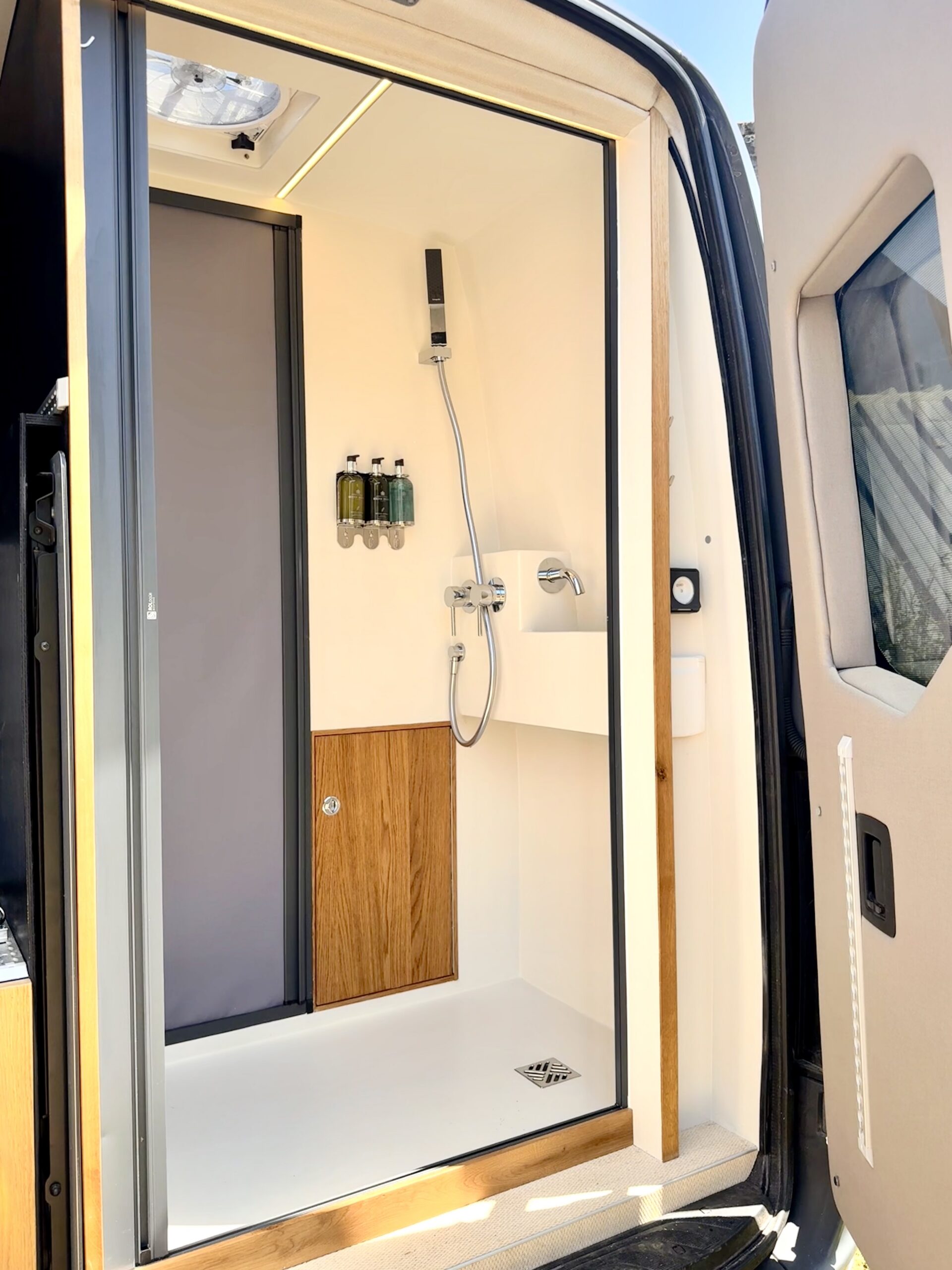
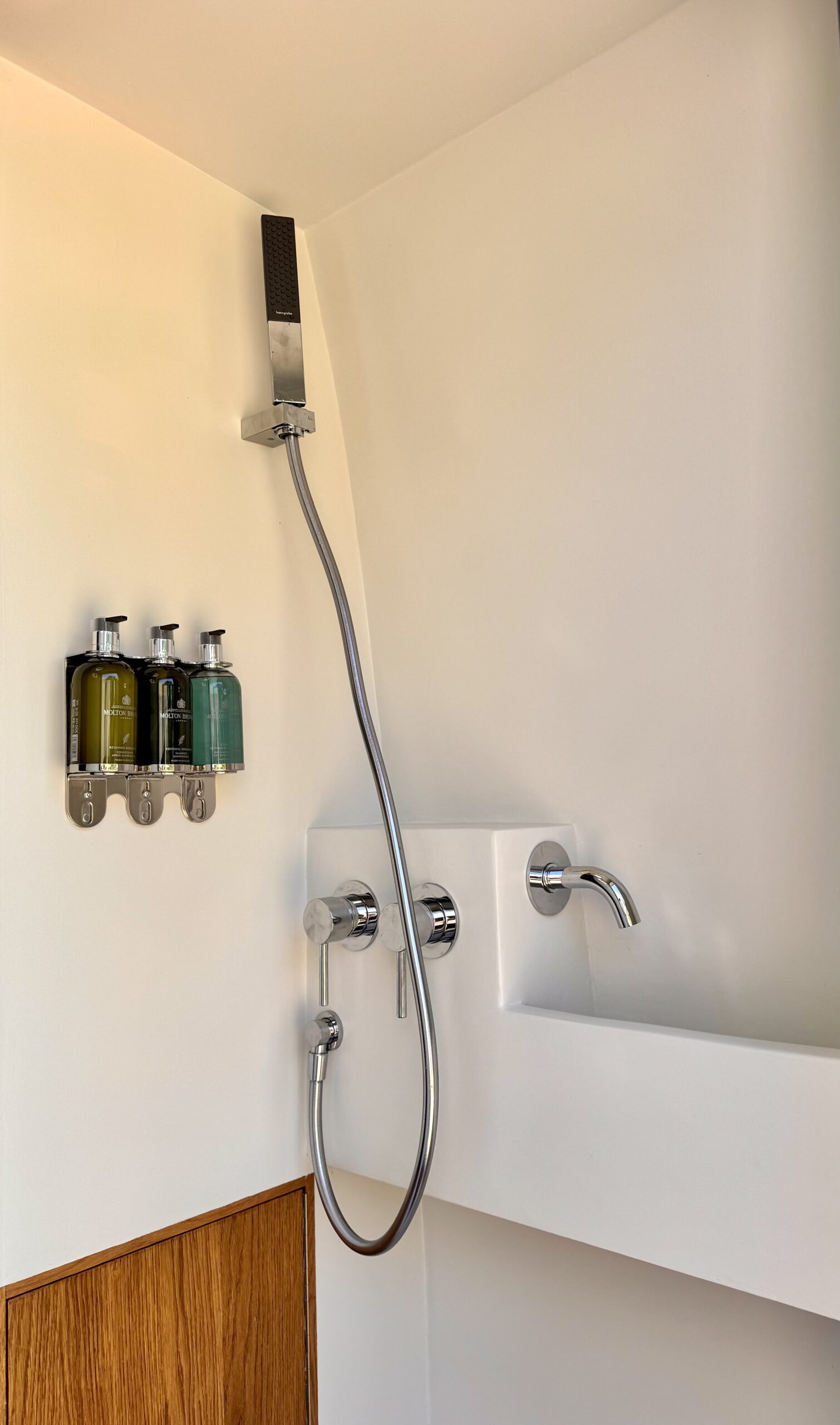
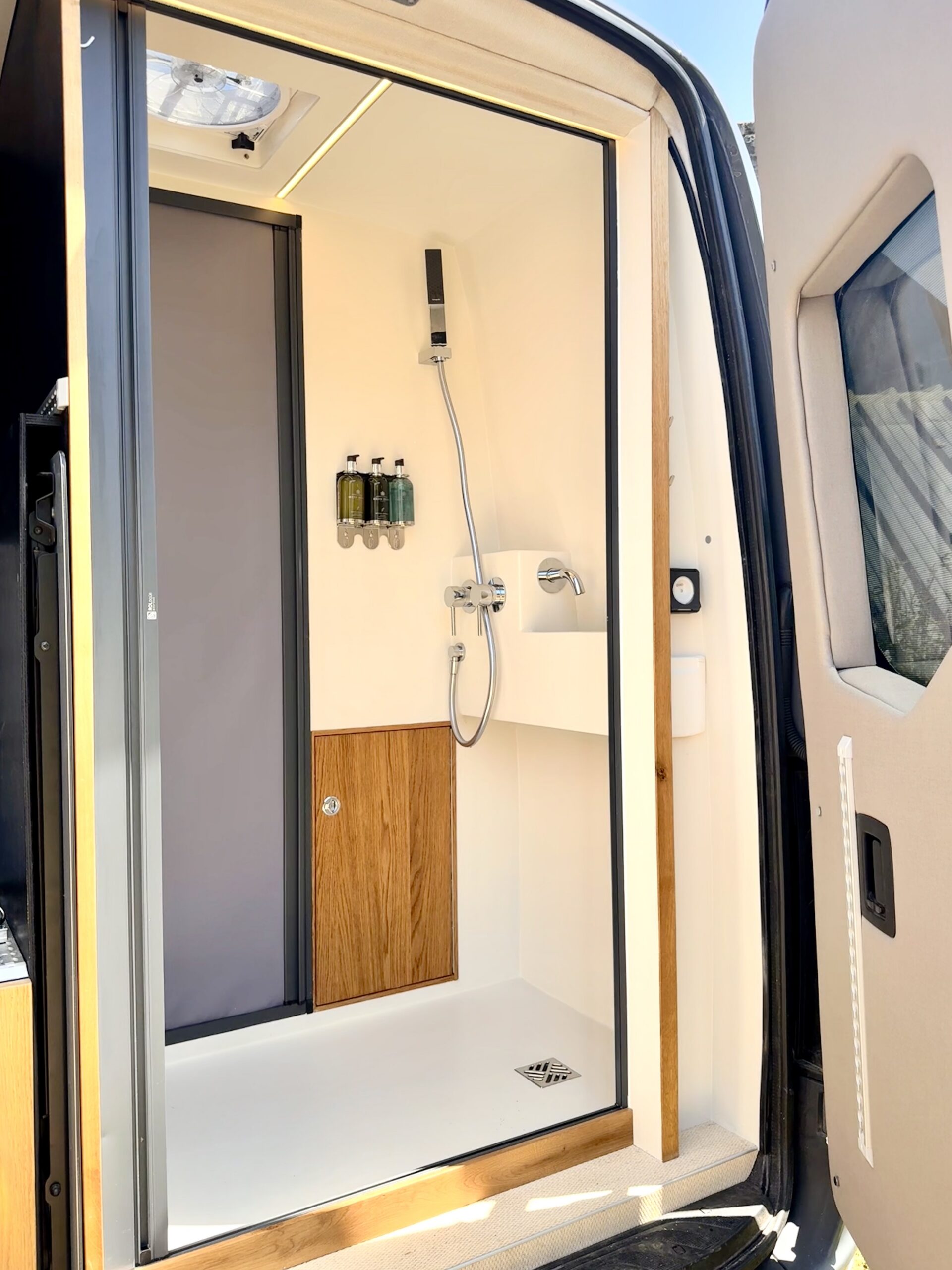
At first glance, devoting so much attention to a bathroom might seem surprising.
However, after years of traveling, we've come to realize that it serves many more purposes than just washing.
After a day of skiing, it becomes a drying area. After a hike, it’s where muddy boots go. After a surfing session, it’s where wetsuits and towels go. With a dog, it becomes a true utility room.
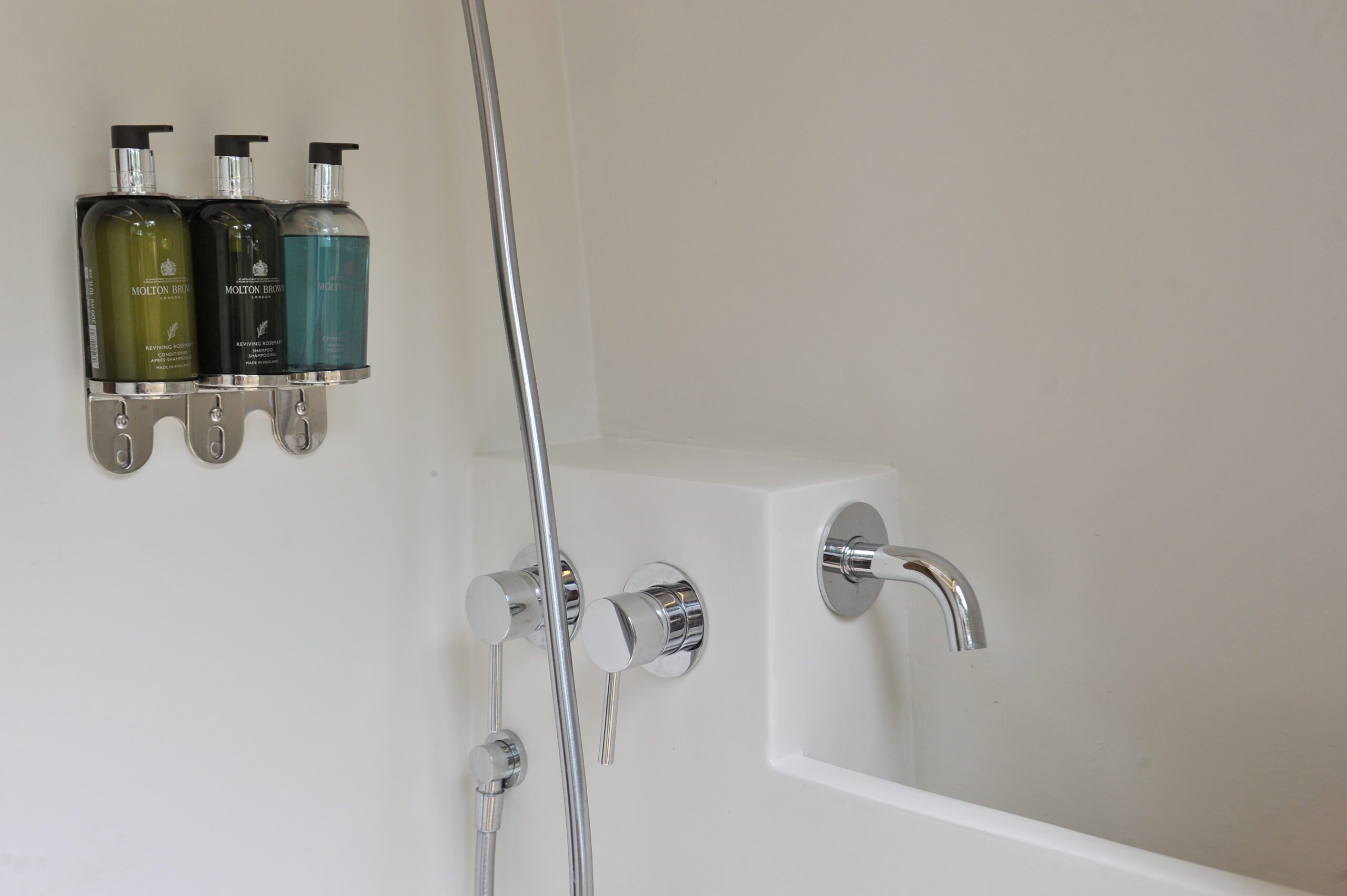
The rear shower was designed as a transitional space between the outdoors and the living area.
The heating, ventilation, storage, and layout were all designed with this concept in mind. What appears to be a simple bathroom actually becomes one of the most versatile spaces in the van.
See also: Why the Rear Shower Is One of the Most Important Areas in a Van →

The impact of a space on our well-being is often underestimated.
Lighting, materials, acoustics, and visual clutter directly influence the level of comfort we experience in our daily lives. This becomes particularly evident during long evenings, winter trips, or periods of bad weather.
The Rocksalt approach draws heavily on residential interior design.
Functional lighting where it’s needed. Soft ambient lighting in the evening. Reading lamps on either side of the bed. Control panels hidden behind the doors. Blackout shades that block out all light at night. These details often go unnoticed during a quick tour.
Yet their value increases with every week they spend on the road.
See also: Lighting, Ambience, and Psychological Comfort in a Camper Van →

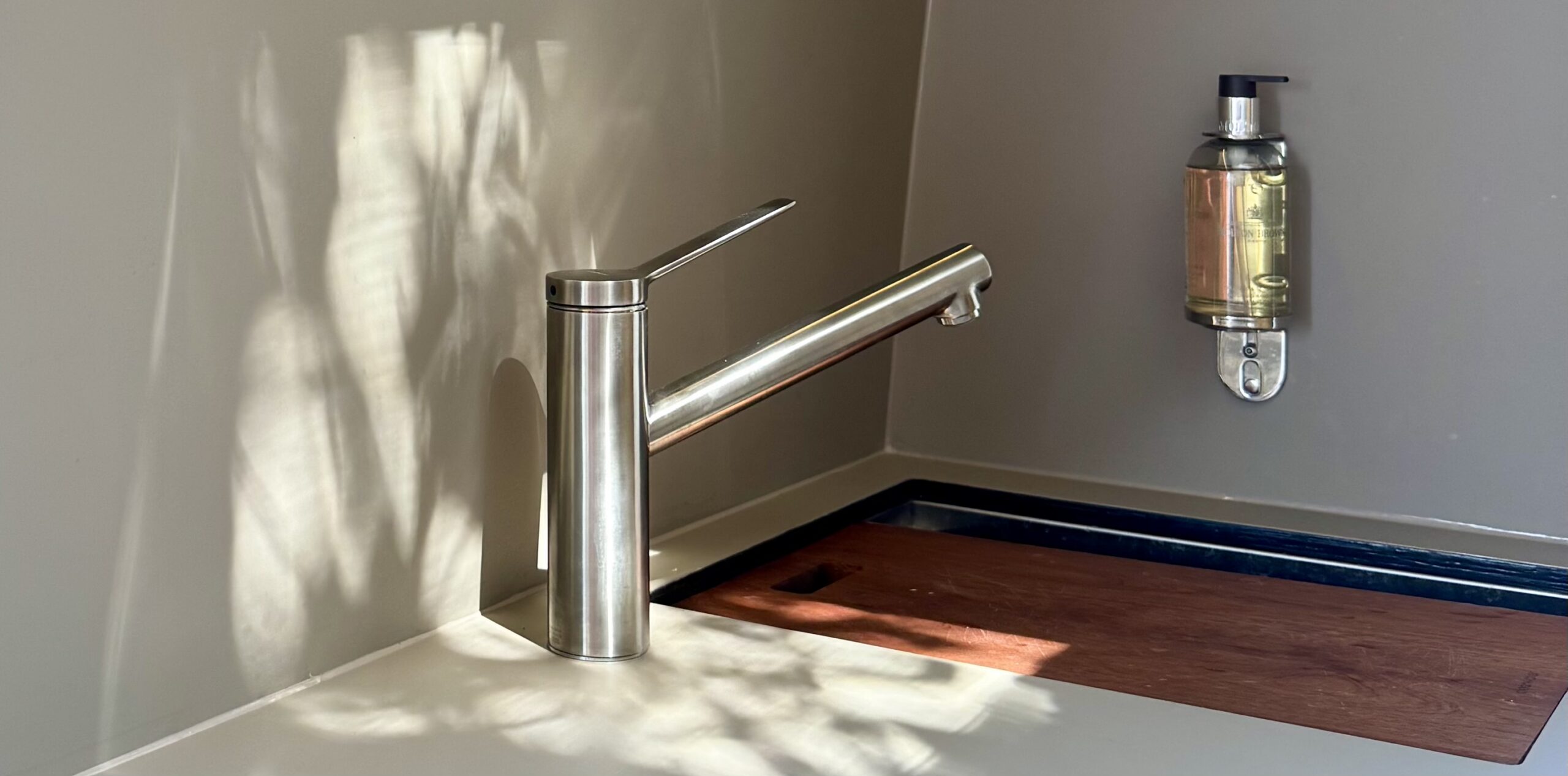
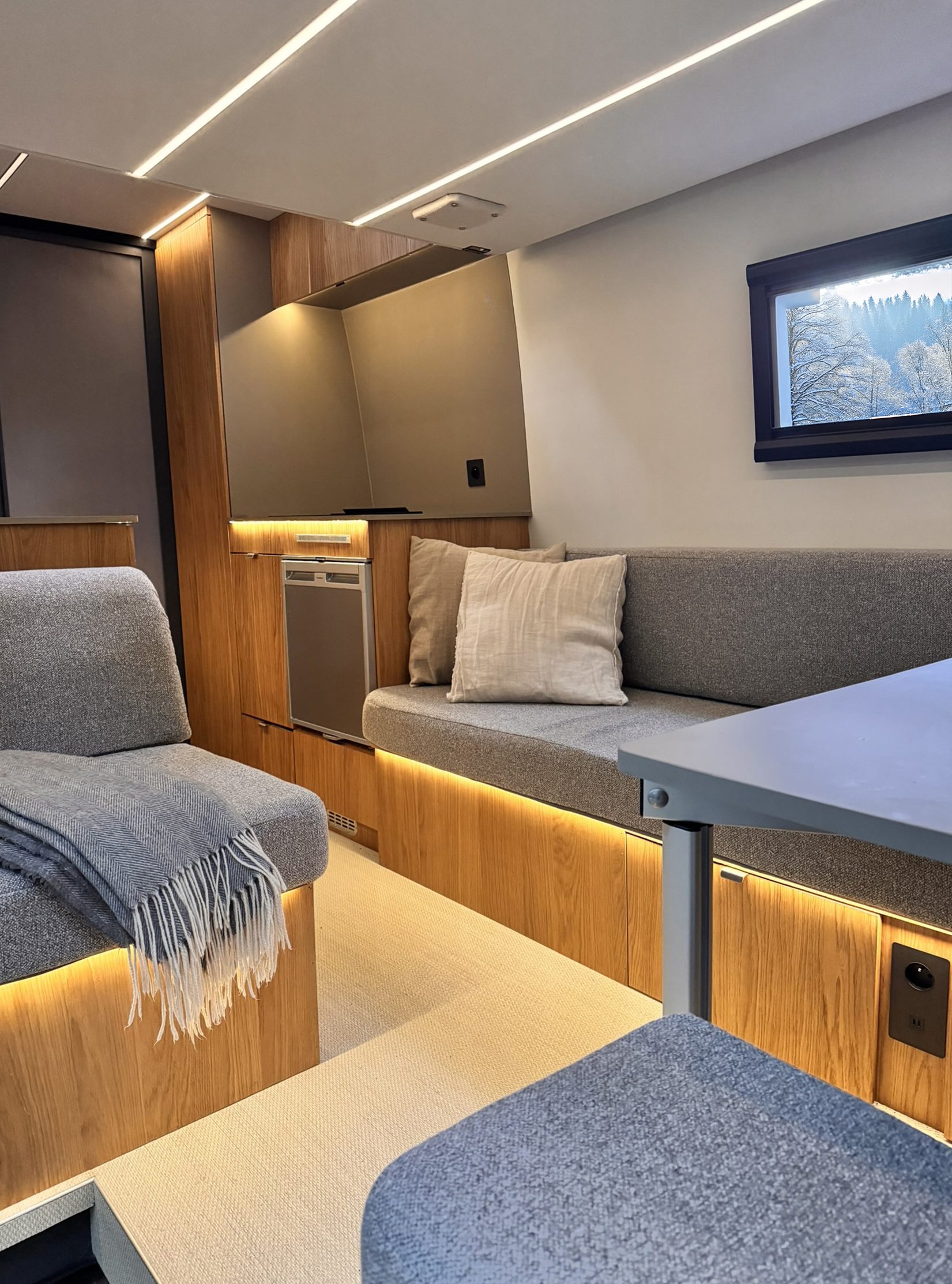
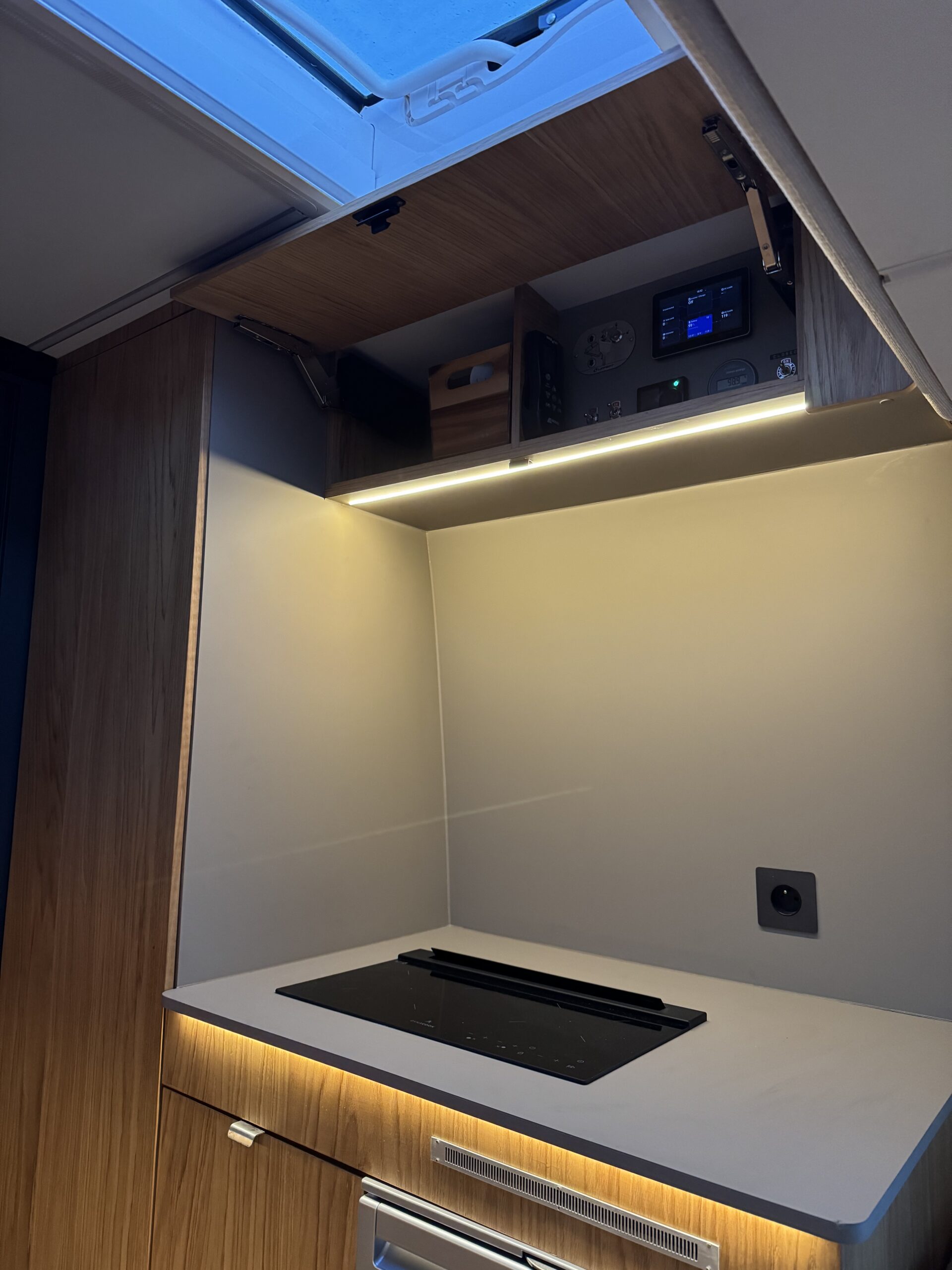
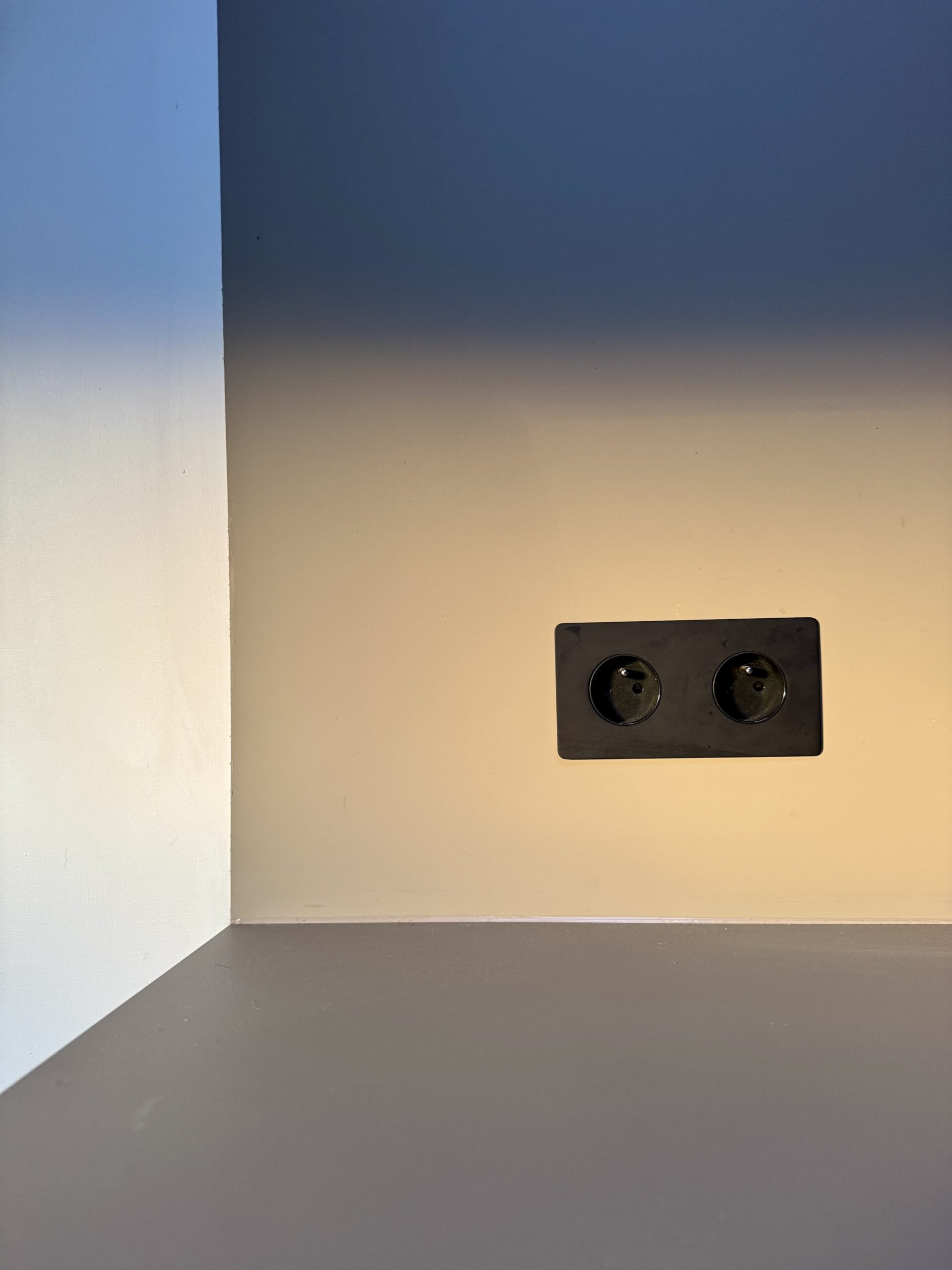
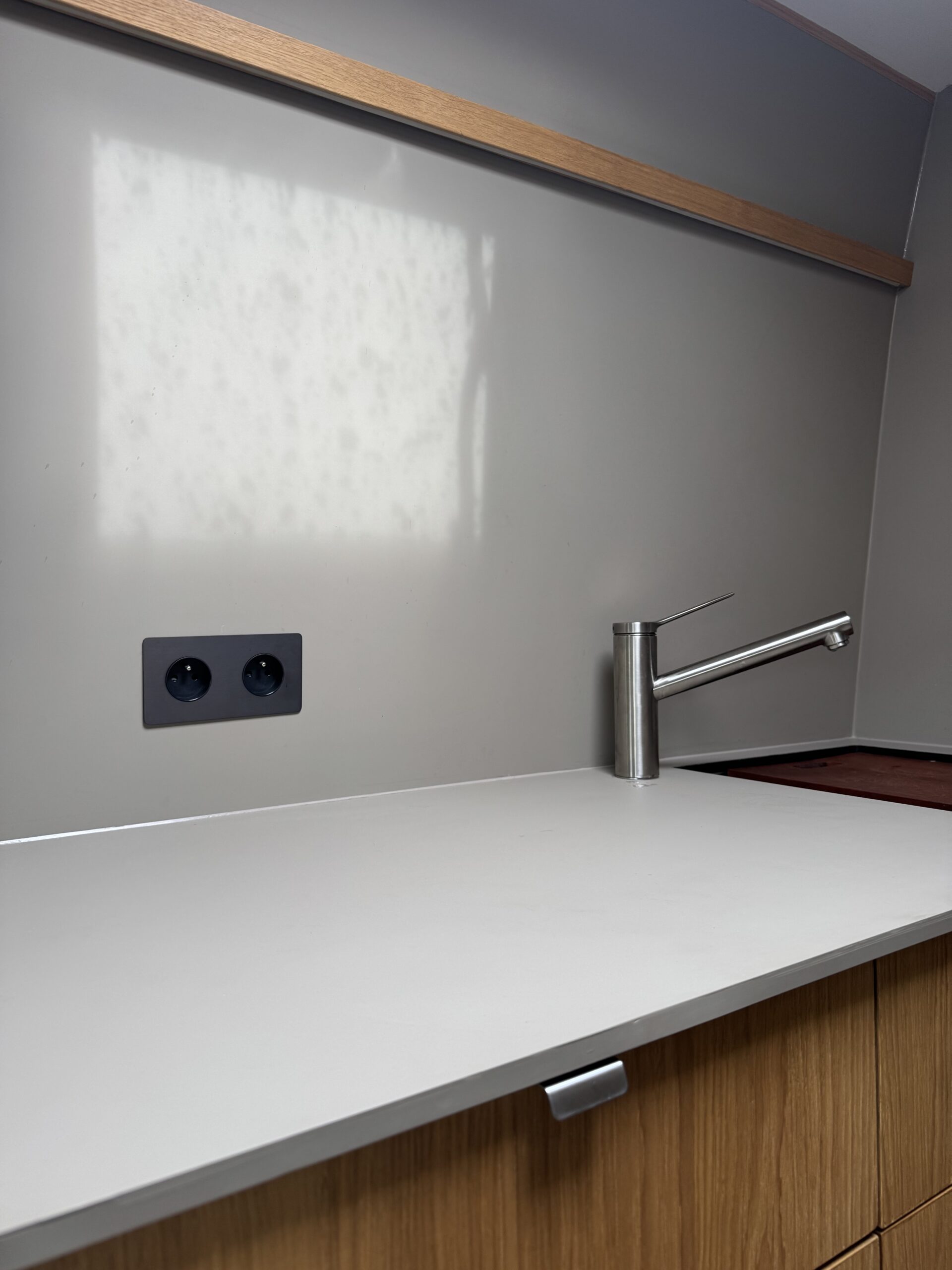
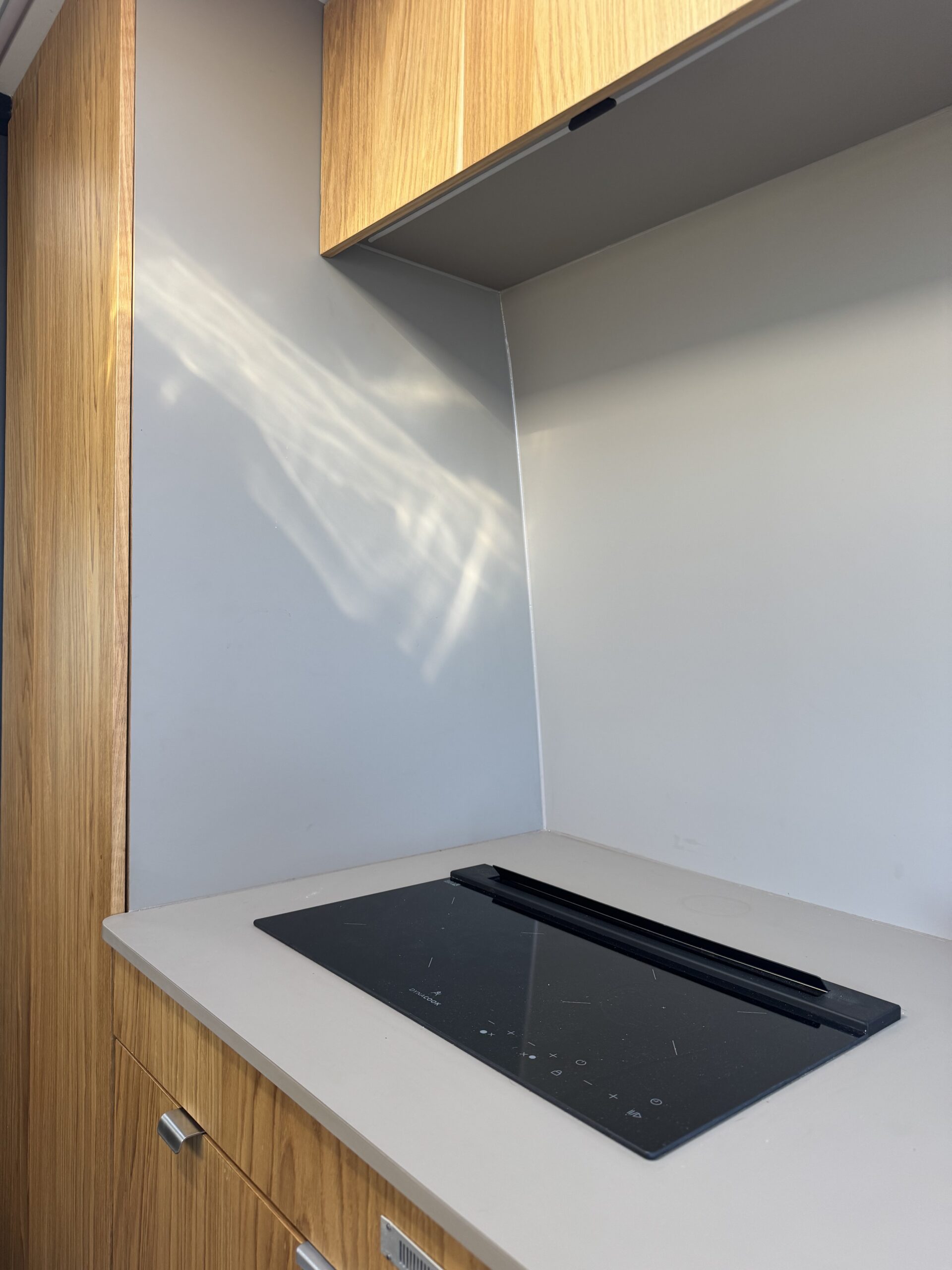

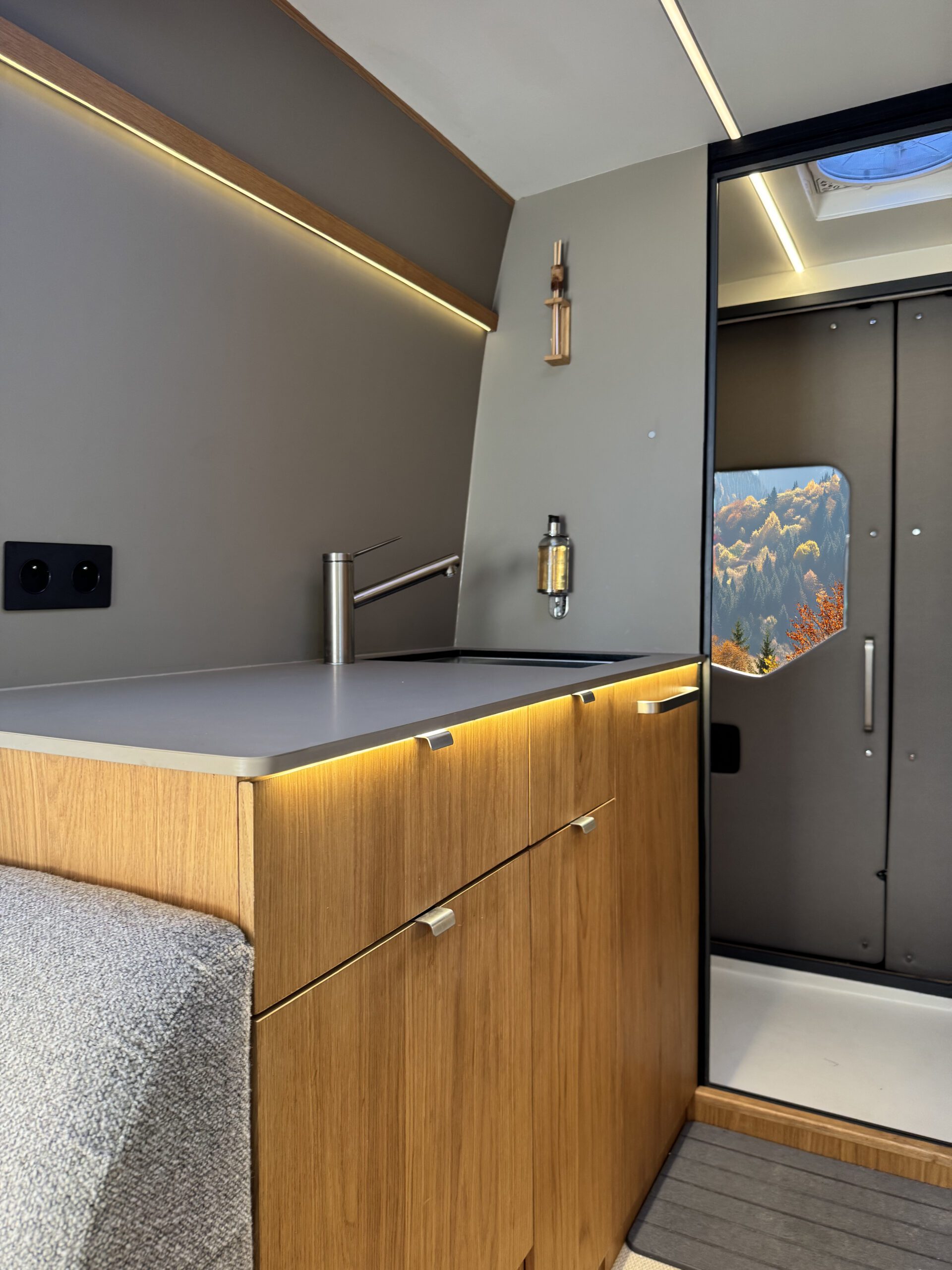
The most important design decisions are often the least visible.
Storage spaces are arranged around drawers that can be accessed without leaving the vehicle. The kitchen is designed for everyday cooking, not just occasional use. The electrical system is designed to maximize autonomy and reduce dependence on campgrounds. The soft-close drawers lock automatically while driving. The ventilation system improves both sleep comfort and cooking comfort.
Every detail solves a specific problem.
Together, they ease the stresses of everyday life. The result is a van that’s more relaxing, more intuitive, and more enjoyable to live with over time.
See also: Designing Storage Solutions Based on Daily Life Rather Than Garage Space →

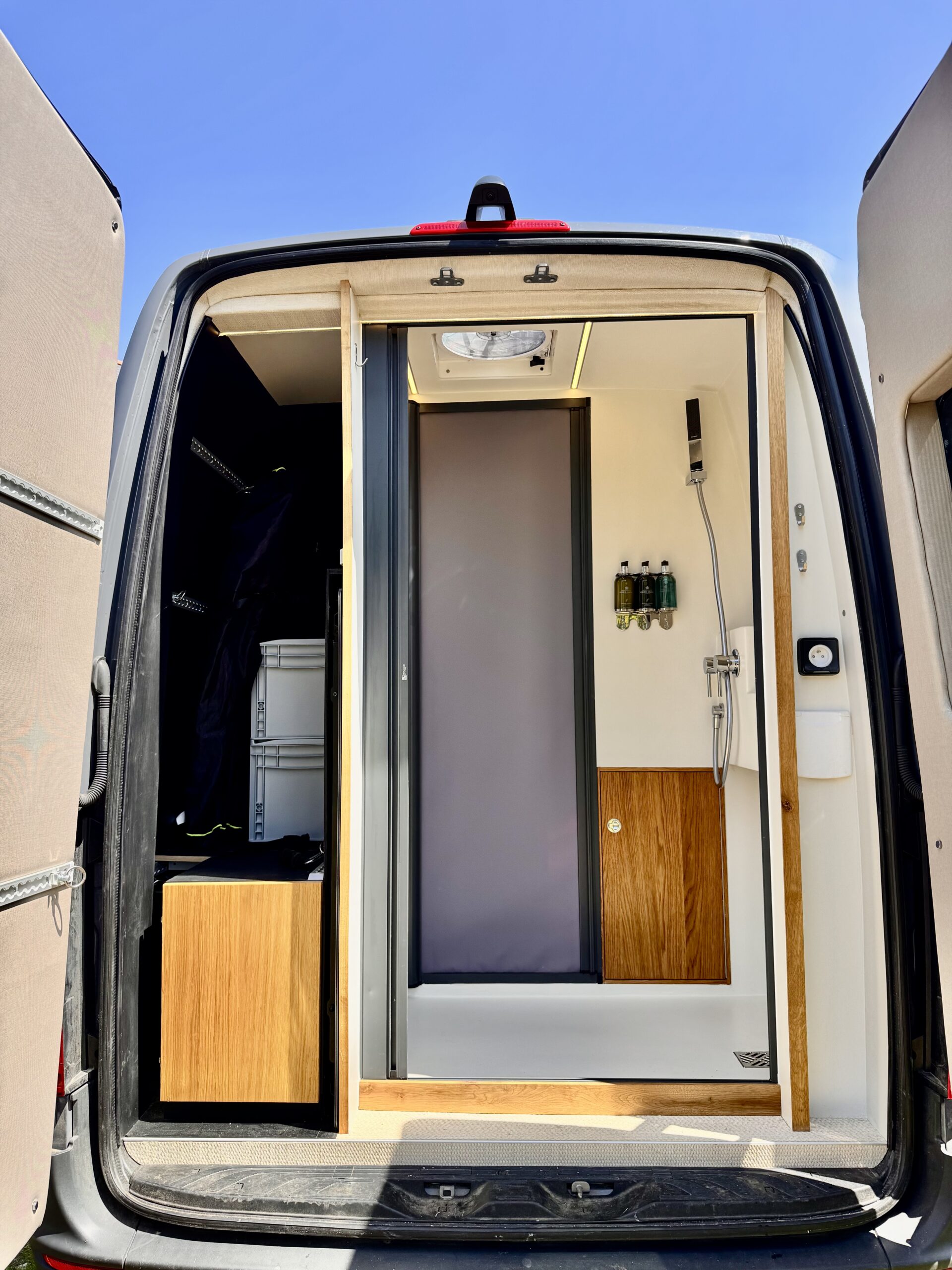
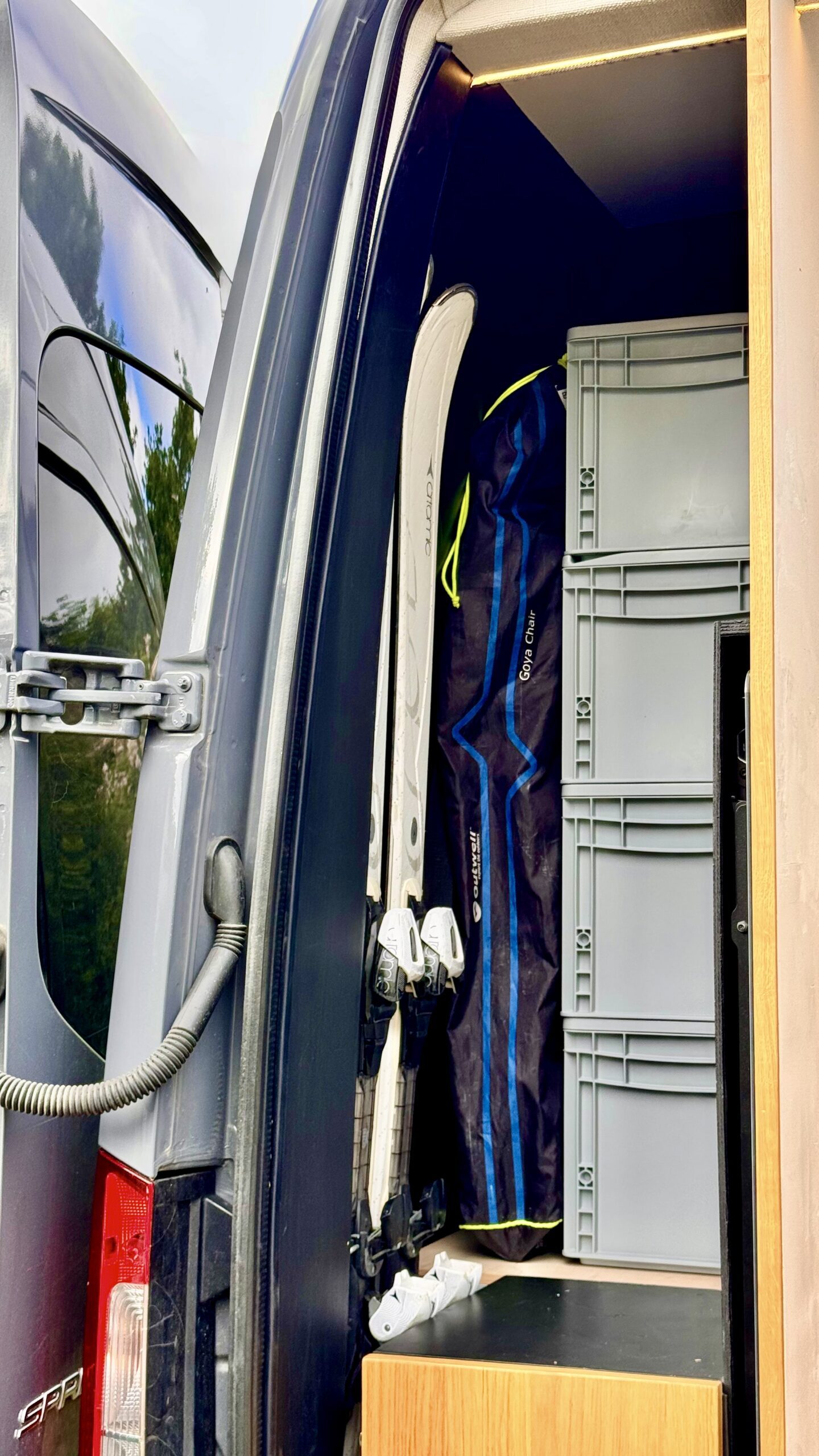
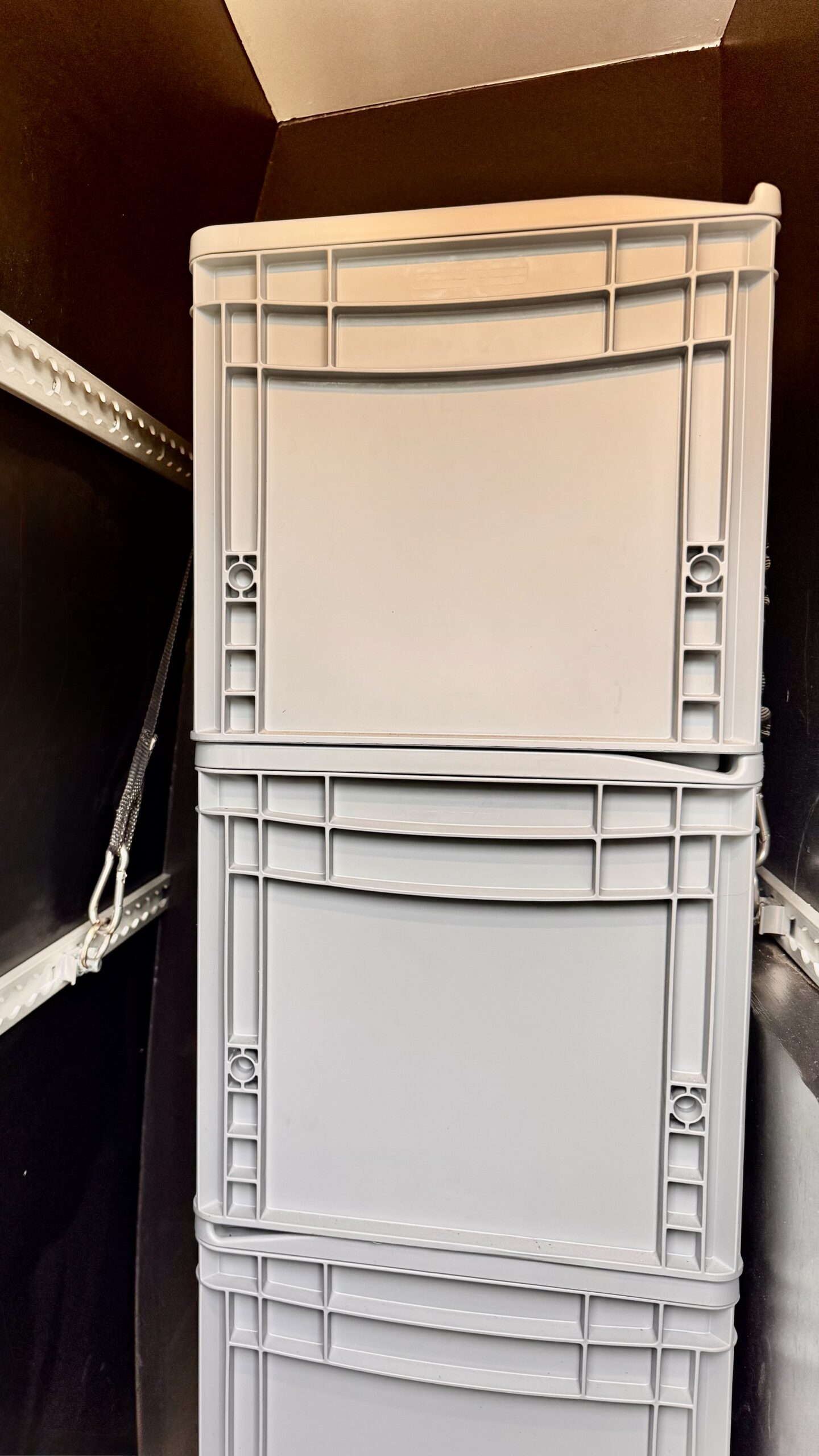
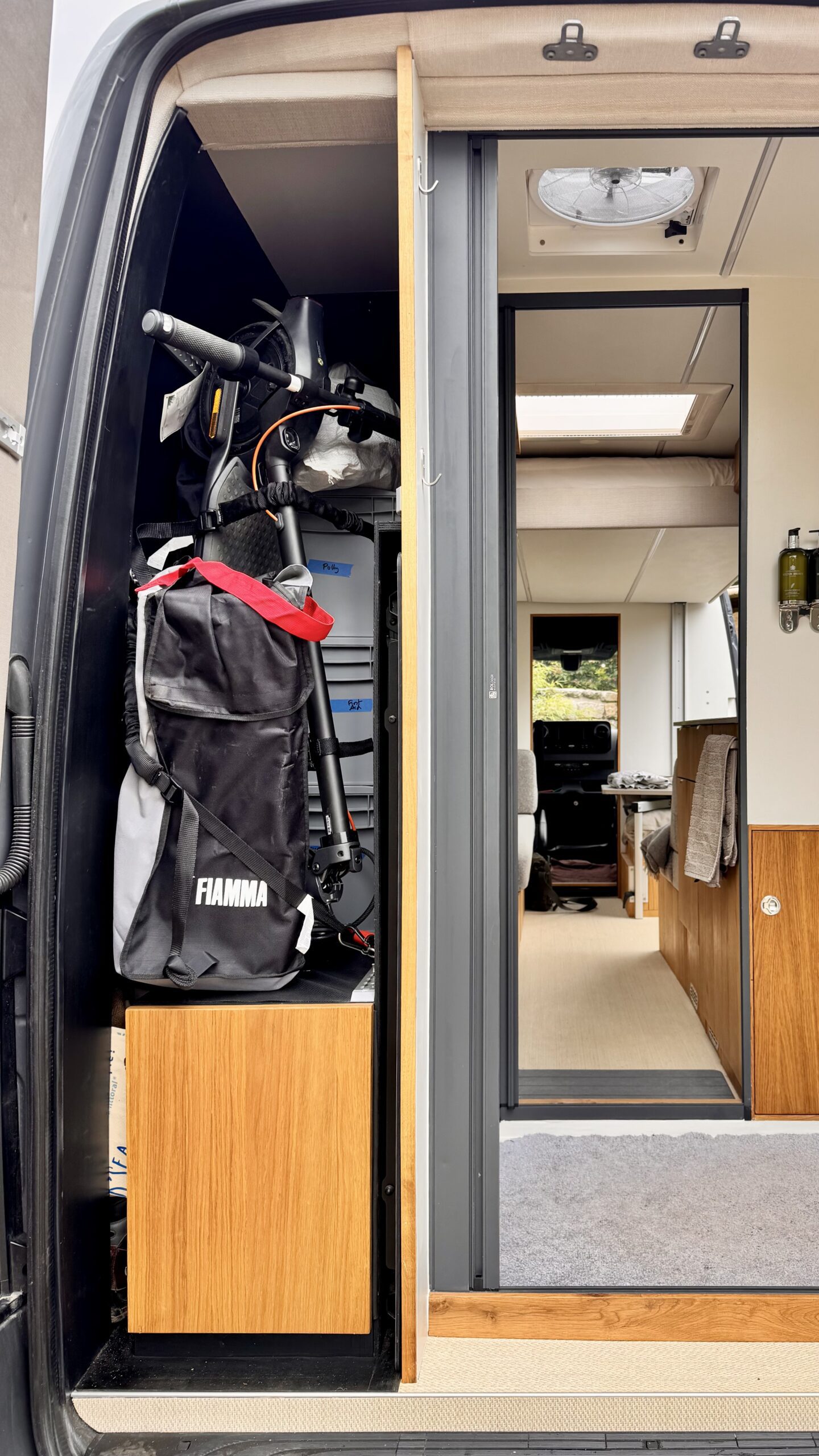
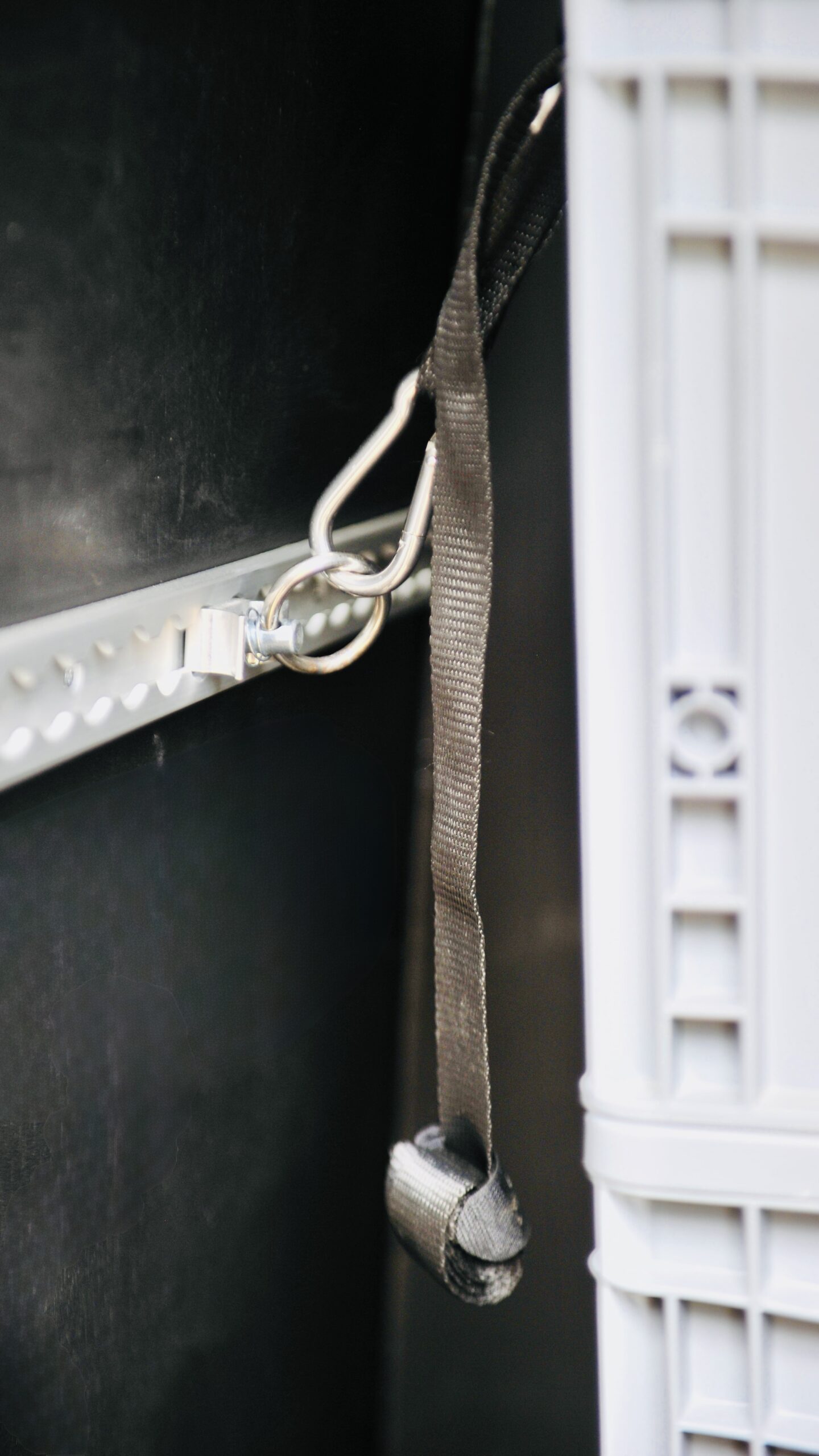
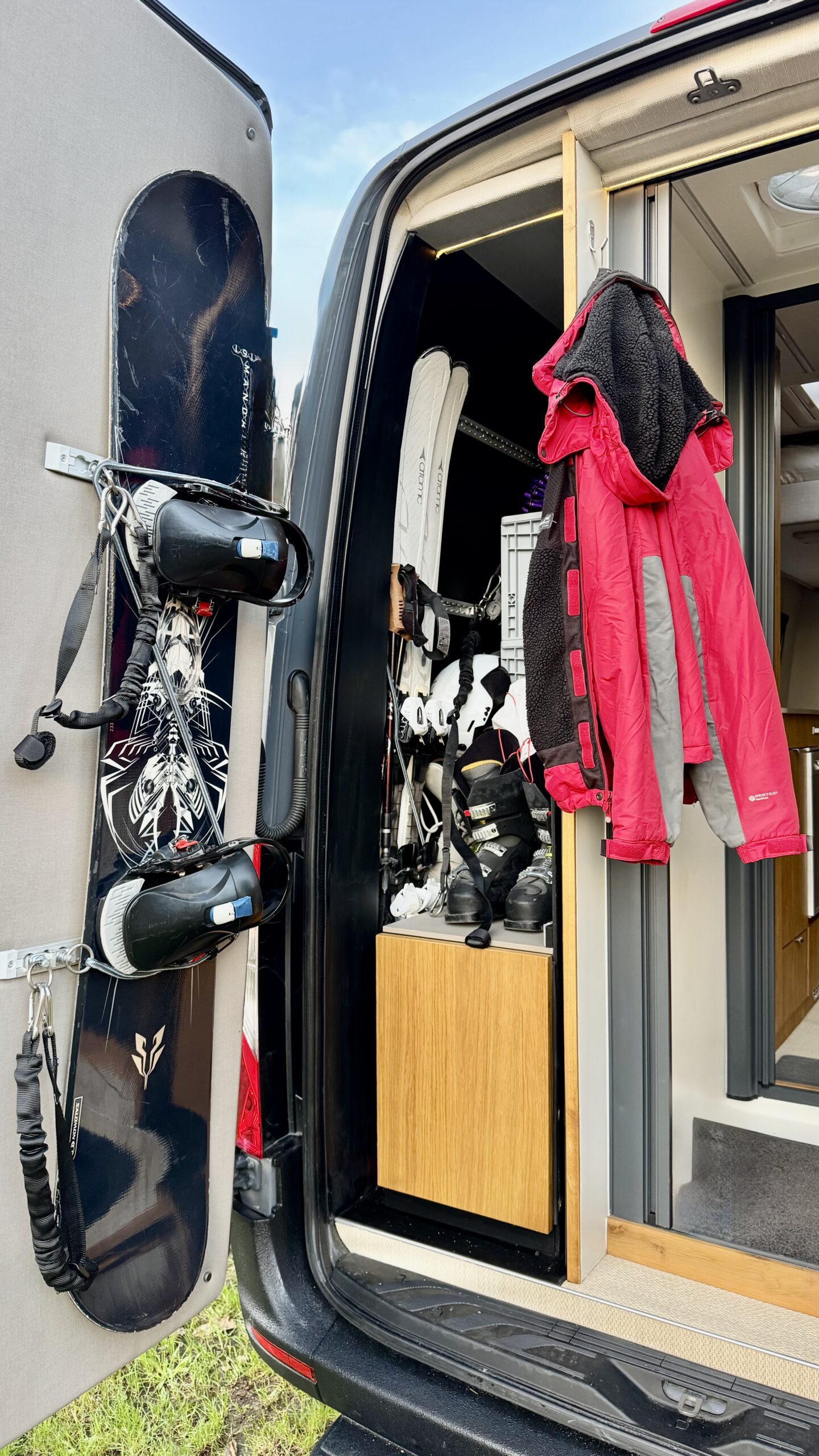
The demonstration van embodies our own vision of comfort on long-distance trips.
It is not a fixed model.
Every Rocksalt project is completely custom-designed. Every homeowner travels differently.
Every lifestyle brings its own set of priorities. Some people prioritize winter performance above all else.
Others prefer cooking, working from home, biking, skiing, or traveling with their dog.
Every project begins with a clear understanding of how the vehicle will actually be used. What remains constant is our philosophy.
Thoughtful design. Long-lasting comfort.
Quiet, minimalist spaces.
And the belief that the best camper van isn’t the one with the longest spec sheet, but the one that quietly enhances the quality of time spent on the road.
Custom Van Conversion for a Full Life
We transform vans into luxurious, mobile living spaces designed to support a rich, active, and intentional lifestyle.
Each Rocksalt design is tailor-made, with the same standards as residential architecture—elegant, functional, and deeply personal.