




Having a van custom-built is rarely a purely technical matter. More often than not, it's a question of expectations. Not expectations related to equipment or plans, but expectations related to what the van should offer once on the road, how it accompanies the journey, and the place it takes in one's life—whether for a few weeks a year or for much longer trips.
One of the most common misconceptions about high-end van conversions is that they are only for those who live on the road full time. As if a high level of design and finish only made sense in the context of a permanently nomadic lifestyle.
In reality, it is often the opposite.
The quality of a custom-built camper van is not measured by the number of days spent living in it, but by the quality of the experience it provides each time it is used.
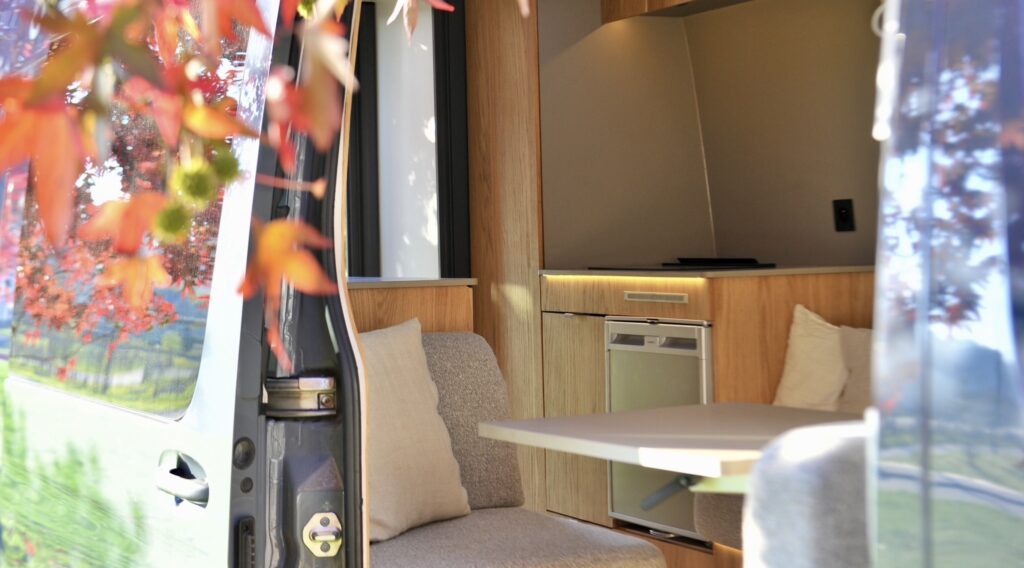
“House on wheels” or “home away from home” when traveling
The expression "home on wheels" has become commonplace in the world of vans. It evokes autonomy, total freedom, and sometimes even a radical change in lifestyle.
For many Rocksalt customers, however, this is not the goal.
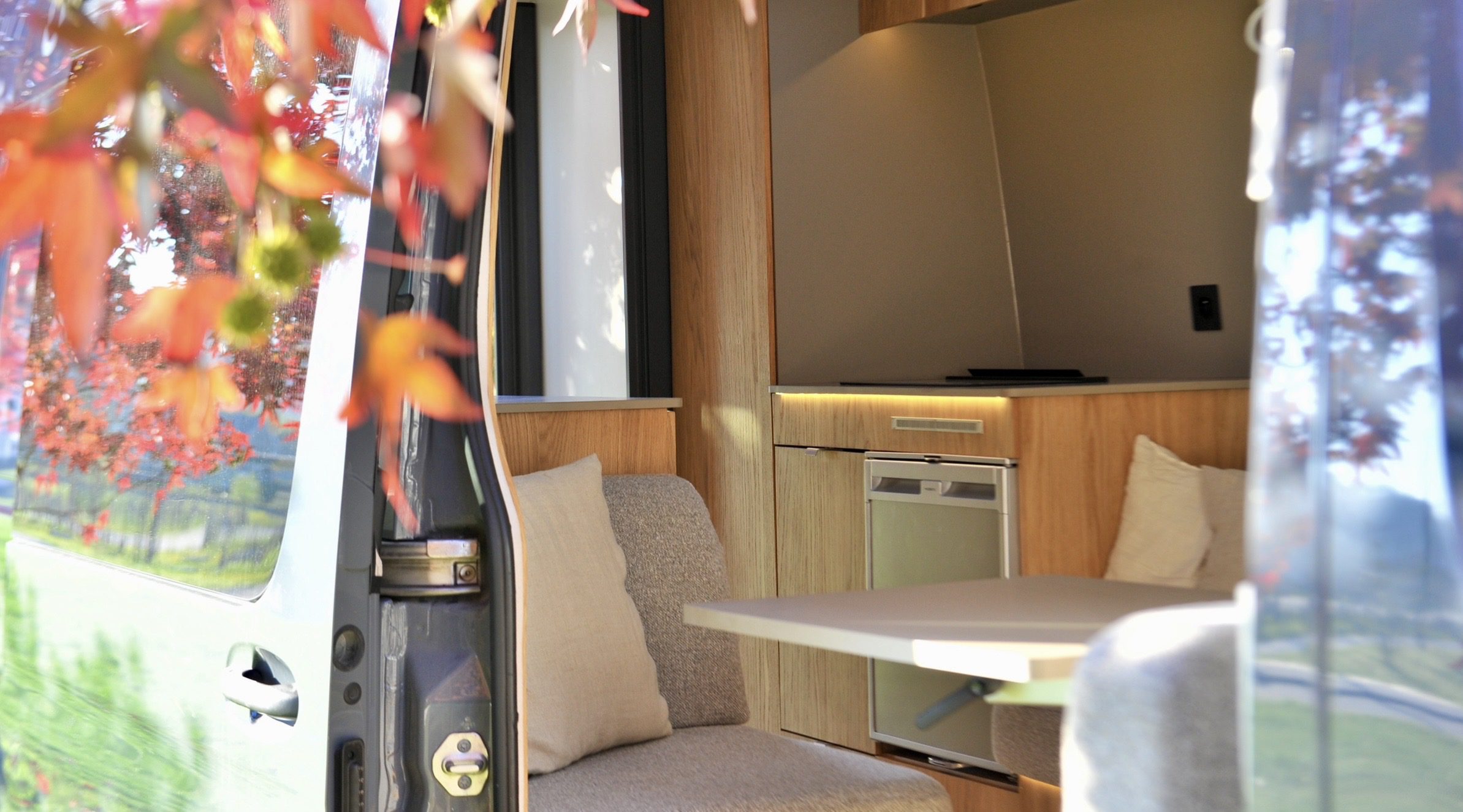
What they are looking for lies elsewhere: in the idea of a home away from home, a space that immediately provides a feeling of familiarity and comfort, even when far from home. A place where you feel good as soon as you close the door, without any adjustment period or effort.
Whether used for trips lasting a few weeks, longer journeys, a year on the road, or more regular use, the van must above all offer continuous comfort. The duration varies, but the requirement remains the same.
This nuance profoundly changes the way a luxury travel van should be designed.
The duration of use is not the intensity of the experience.
It is tempting to think in terms of occasional use versus full-time use. However, what really matters is not so much the duration as the intensity of use.
A van used for several weeks in a row, in various contexts and under different weather conditions, will very quickly reveal the suitability—or limitations—of its layout. Regardless of whether these weeks represent three months per year or twelve consecutive months.
Fatigue does not come from the time spent in a space, but from the friction it generates: impractical storage, poorly designed traffic flow, materials that age poorly, choices made for effect rather than actual use.
A well-designed van layout reduces these frictions. And this quality is just as valuable for luxury and comfort-oriented use as it is for long-distance travel.

Custom-made does not mean "anything is possible."
One of the most common misunderstandings about custom van conversions concerns the very concept of customization. It is often associated with an accumulation of choices, options, and configurations.
However, a truly successful project depends more on the quality of the decisions made than on their quantity.
Design is not an exercise in addition, but in editing. Designing a van as a true living space for travel involves prioritizing, simplifying, and accepting certain limitations in order to achieve consistency.
Good design does not attempt to address every possible scenario. It seeks to create a space that functions remarkably well in real, repeated, everyday situations.
Traveling better does not mean traveling more.
Many customers don't come to Rocksalt to travel more, but to travel differently. With more peace of mind, more comfort, and fewer compromises.
Traveling better means arriving less tired, settling in more quickly, enjoying the van in both good weather and rain, without having to constantly improvise.
This is where the concept of "home from home" takes on its full meaning. A van designed solely for movement—driving, stopping, setting off again—remains transient by nature. A van designed as a living space, on the other hand, allows you to slow down, even when the journey is short.
In this approach, luxury is not synonymous with excess. It is synonymous with fluidity and obviousness.
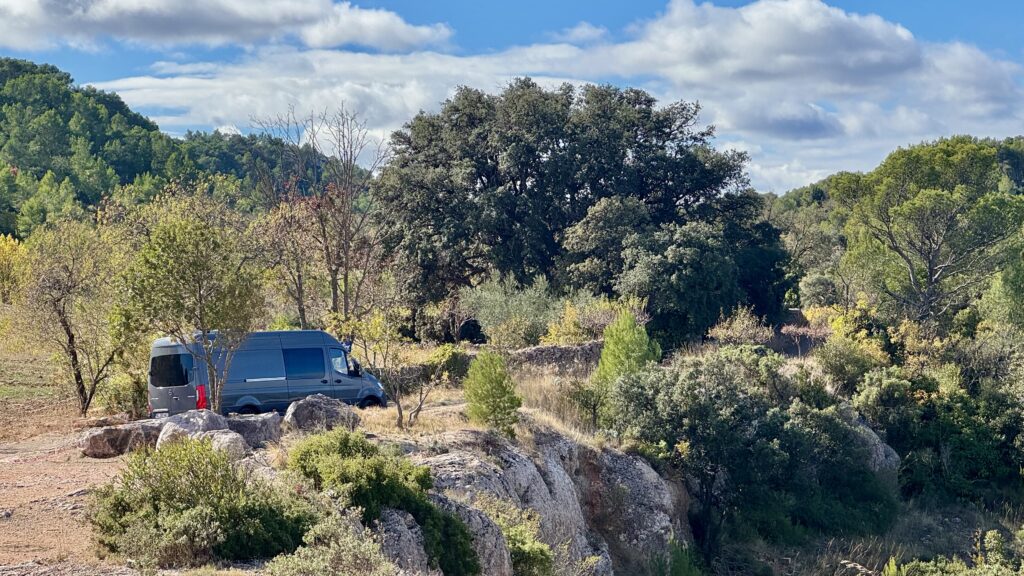
The hidden cost of poorly planned development
When discussing budgets, the conversation often focuses on the initial cost of the project. Less often, it focuses on the cost of a development that, over time, reveals its weaknesses.
These costs are not immediately financial. They manifest themselves in an accumulation of small frustrations, workarounds, and habits developed to compensate for what does not work perfectly.
A van can be impressive when it is delivered, but gradually become restrictive if it has not been designed for real, repeated use. This applies equally to a luxury van intended for travel and to one intended for more intensive use.
The role of a custom developer
In a high-end project, the role of the developer is not limited to executing a list of requests. It consists of providing support, structuring the thought process, helping to make informed choices—and sometimes rejecting certain options.
Faced with an overload of inspiration, trends, and conflicting advice, this ability to guide becomes essential. A successful project is not one where all the answers are known from the outset, but one that is based on a clear, progressive, and demanding process.
For those seeking a genuine van travel experience, this support is often more important than any equipment.
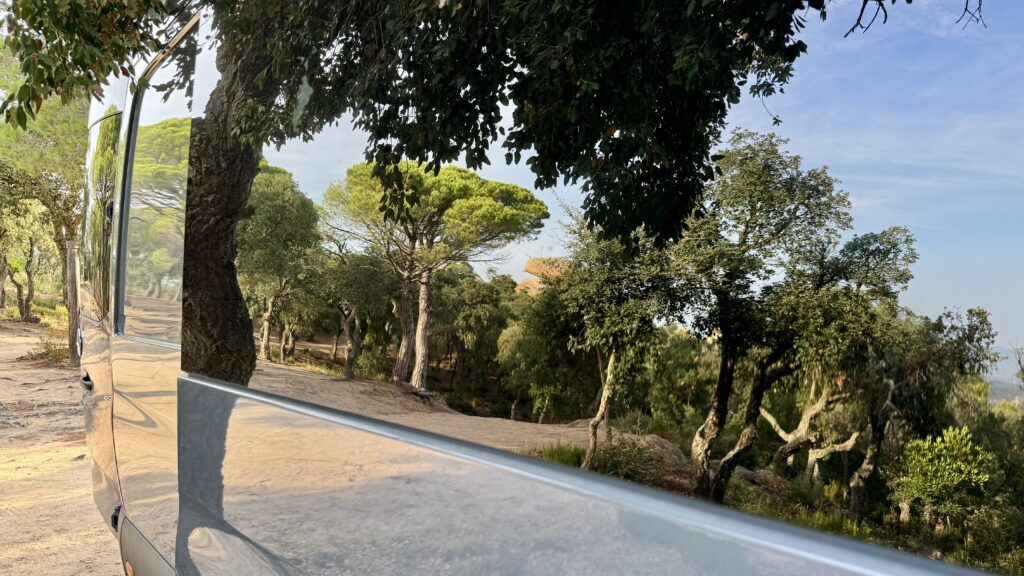
The right questions to ask yourself before getting started
Before having a custom van built, it's worth taking the time to think about a few simple questions. What should a typical day on the road look like, not an ideal day? What home comforts are essential for you to feel comfortable elsewhere? Would you rather decide every detail yourself or be guided in your choices? And above all, what are you willing to give up?
These questions do not concern the duration of use, but rather the alignment between your expectations and the way in which the van will be designed.
Design for rehearsal, not for performance
A successful layout is not one that impresses at first glance, but one that continues to seem right after many trips.
Designing for repetition means choosing materials that age well, layouts that remain intuitive, and aesthetic choices that fade with time rather than imposing themselves.
This approach is particularly relevant for a luxury travel van, where every trip should remain a pleasure, without effort or constant adjustment.
Conclusion: experience before the label
Having a custom van built does not mean adopting a particular lifestyle or identity. It does not mean living on the road full time or giving anything up.
It's all about how you want to feel when you travel.
At Rocksalt, every project is guided by this idea: to design vans that offer a smooth, comfortable, and sustainable travel experience, whether they are used occasionally or more intensively.
Because ultimately, it's not the time spent in a van that counts, but the quality of the experience it provides, trip after trip.