


Designing a camper van is often one of the most exciting parts of the project. You start imagining waking up to a view of the ocean, weekends in the mountains, and the freedom to set off whenever the mood strikes or the weather is right.
But designing a van that really works for everyday use is more complicated than it seems.
The internet is full of stunning interiors. However, many conversions prioritize aesthetics over practicality. A van can look great in photos but feature design choices that become frustrating after just a few weeks of travel.
With experience, certain mistakes tend to crop up regularly. They’re rarely made out of carelessness—it’s just that it’s hard to imagine what life in a van is really like until you’ve experienced it for yourself.
Here are ten design mistakes that are commonly found in van conversions—and how to avoid them.

Designing for photos rather than for real life
Many projects start with images found on Pinterest or Instagram. These are great sources of inspiration, but these designs are often meant to look good in a photo rather than be practical to use.
In reality, the details quickly become important. A small, stylish sink can make doing the dishes a chore. A minimalist bench may look elegant but lack comfort during long evenings spent indoors. A compact kitchen may be pretty but frustrating if you enjoy cooking.
The best van conversions always start with a simple question: How are you really going to use the van?
Do you cook often? Do you work remotely? Do you carry sports equipment? Do you travel mainly for weekends or for longer trips?
When design is based on lifestyle rather than aesthetics, the result is generally much more pleasant to live with.

Underestimating electricity needs
Modern vans rely heavily on electricity. Refrigerators, lighting, water pumps, heating, computers, and charging devices—everything depends on a reliable power system.
One of the most common mistakes is installing a system with insufficient capacity. Many people think that a small battery and a solar panel will be enough, only to discover that their actual energy consumption is much higher.
A well-designed electrical system must take into account the van’s actual use. Remote work, induction cooking, cameras, or long stays off the grid require much more energy than one might initially imagine.
A good system should be unobtrusive: electricity should simply support your travels, without becoming a daily concern.
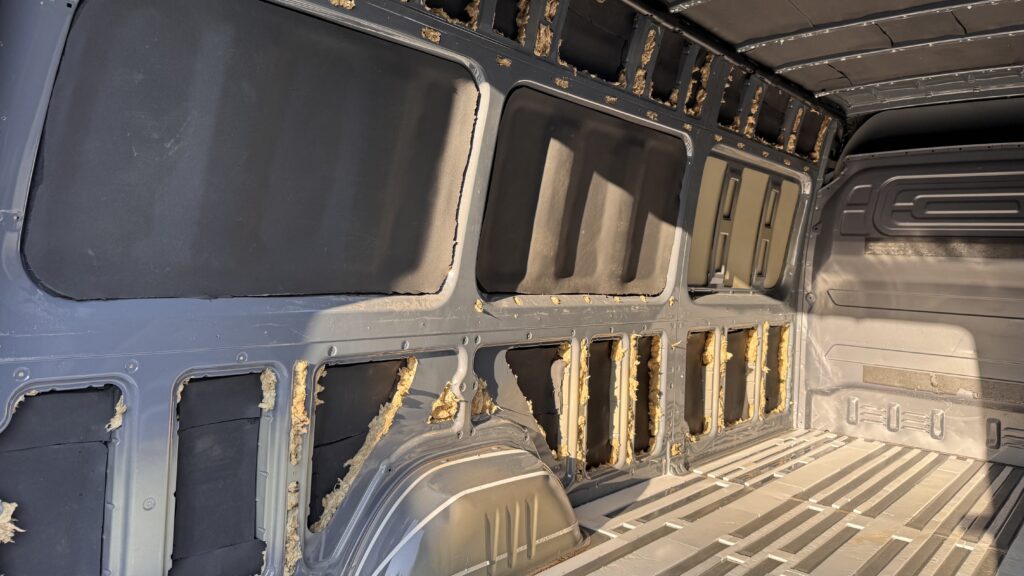
Insufficient insulation
Insulation is one of the least visible elements of a renovation, yet it is one of the most important.
A poorly insulated van can quickly become cold, damp, and noisy. Condensation forms more easily in cool climates, and temperature fluctuations make the interior uncomfortable depending on the season.
Good insulation helps stabilize the temperature, reduce humidity, and improve acoustic comfort.
For those who want to travel year-round, this is essential.

Choosing the wrong type of bed
The bed is obviously one of the central features of a van. However, it’s also the area where many compromises are made during the design process.
Convertible beds are often chosen to save space during the day. On paper, that makes sense. But having to convert the dinette into a bed every night—and then back again in the morning—can get tiresome pretty quickly, especially on longer trips.
Fixed beds, on the other hand, offer real comfort in everyday life. But they must be carefully planned, as some popular configurations also have their limitations.
This is particularly true of the transverse bed, where you sleep from one side of the van to the other. Even with the addition of side pods—those extensions built into the vehicle’s walls that add a few centimeters of space—this type of bed can quickly become cramped.
In practice, you end up with a wall at each end of the bed. Unless you sleep completely still, with your feet pointing toward the ceiling, it’s almost inevitable that you’ll brush against a wall at some point during the night. Most people move naturally while sleeping, and sooner or later end up with their feet against a wall or their shoulders pressed against it.
On paper, a transverse bed seems like an effective way to save space in a van. But in reality, it’s often the little details that determine how comfortable a layout will be over the long term.
As with many decisions when designing a van, the best solution always depends on the vehicle, the size of the passengers, and their travel style. The key is to think about what will actually be comfortable night after night, rather than what simply seems to work on paper.
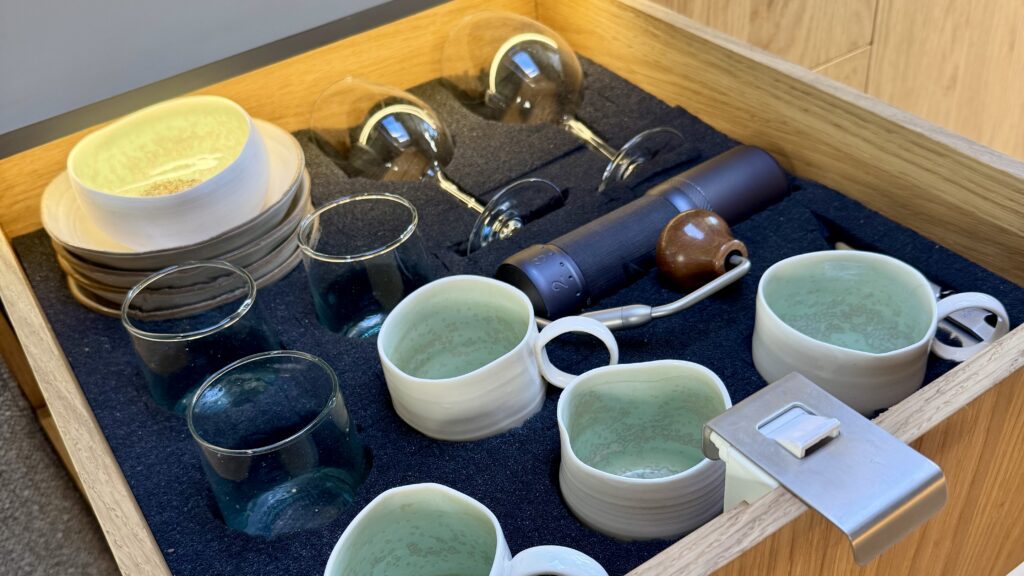
Failing to plan storage for your equipment
Storage space is often underestimated in interior design projects.
Standard closets are sufficient for clothes and food, but many travelers also bring specialized gear: surfboards, bicycles, climbing gear, camera equipment, or outdoor cooking gear.
When storage solutions are designed with these items in mind from the start, the interior stays much more organized. Everything naturally finds its place, and the space remains comfortable even during long trips.
It's often these details that make the difference between a functional van and a truly well-designed one.
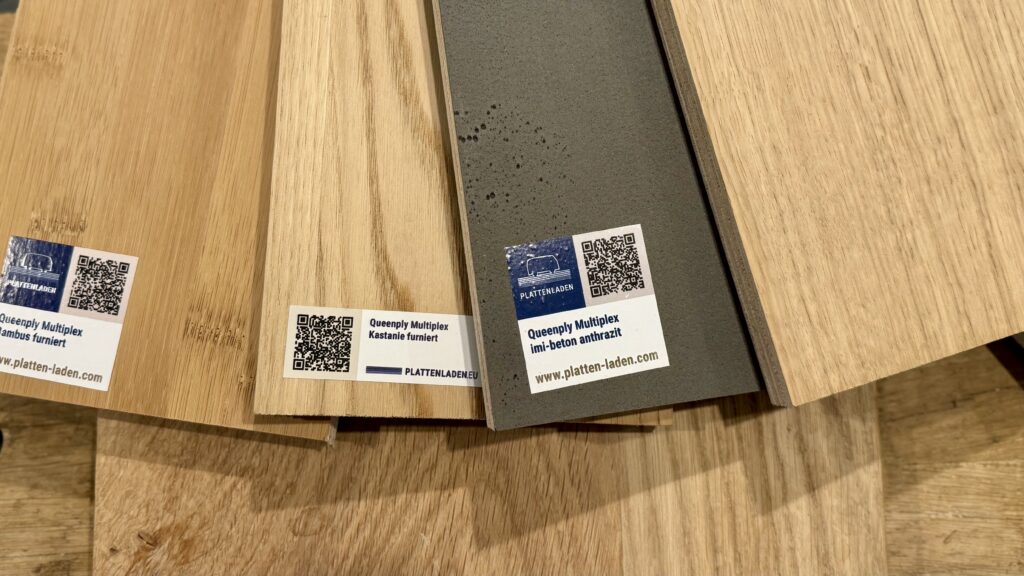
Ignore weight distribution
Weight distribution is rarely discussed in DIY guides, yet it plays a crucial role.
Heavy items—such as batteries, water tanks, and furniture—must be positioned carefully to maintain the vehicle’s balance. Improper weight distribution can affect handling, braking, and the wear and tear on certain components.
In a well-designed vehicle, these aspects are taken into account from the very beginning to ensure a vehicle that is pleasant and safe to drive.

Making the interior too complicated
It’s tempting to incorporate lots of ingenious features: sliding beds, fold-away tables, convertible furniture… These solutions may seem impressive, but their complexity often ends up compromising everyday comfort.
The most successful interiors generally prioritize simplicity. The spaces are bright, storage solutions are obvious, and everyday activities flow naturally.
True luxury often lies in that ease of use.
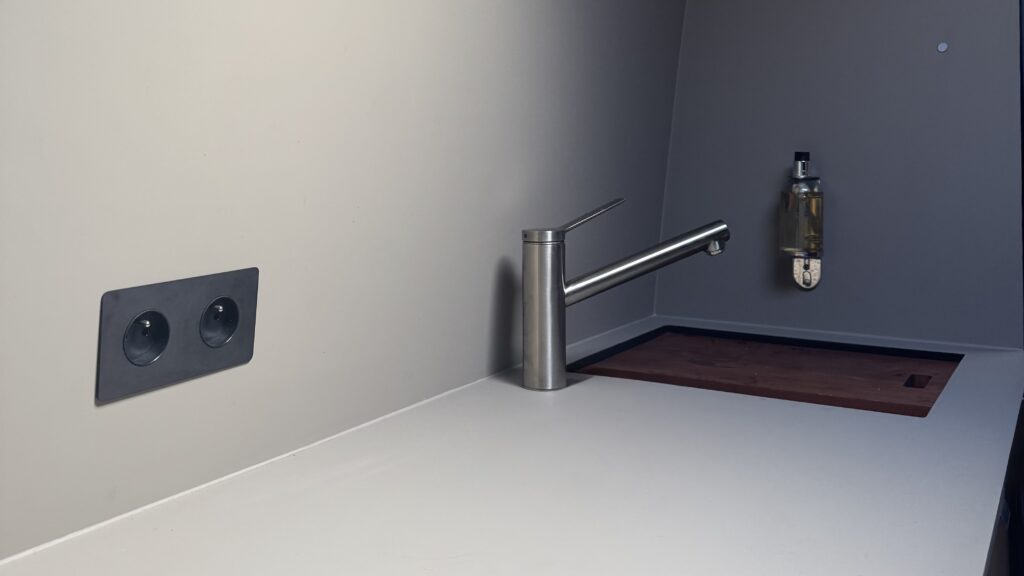
Choosing unsuitable materials
A van is subjected to stresses that are very different from those of a house. Vibrations, temperature fluctuations, and humidity put the materials to the test.
Poorly designed furniture can become loose over time. Some surfaces scratch easily. Poor-quality hinges or fasteners can become unreliable.
Carefully selected materials ensure that the van remains sturdy and comfortable for many years to come.

Neglecting lighting
Lighting has a huge impact on the atmosphere of an interior.
A single overhead light can create a cold and unwelcoming atmosphere, especially on winter evenings or when the weather is bad.
Well-designed lighting combines different sources: ambient lighting, kitchen lighting, and reading lamps by the bed. This completely transforms the feeling of space and comfort.
Don't think about long-term travel
Many vans are designed for short trips. However, once you discover this way of traveling, your getaways often tend to get longer.
Features such as a larger water supply, a reliable electrical system, a comfortable kitchen, or a cozy living area then become much more valuable.
Thinking about longer trips from the start often makes it possible to design a much more versatile van.

Designing a van that really works
A well-designed van should be easy to live in. It should fit your travel style rather than forcing you to constantly adapt.
When the layout, materials, and systems are carefully designed, the van becomes much more than just a vehicle. It becomes a quiet, reliable, and comfortable space for exploring.
If you’re thinking about a conversion project, it’s essential to take the time to understand the design process. You can learn about our approach in our guide to designing a custom-built camper van and explore the world of our Rocksalt camper vans.
Because a well-designed van isn't just about looking good—it becomes a place where you feel truly at home, no matter where you are.